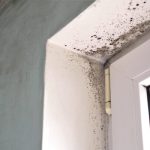
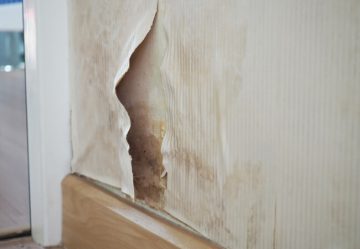
Professional mould removal cost in the UK typically ranges from £500 to £6,000, depending on the size and severity of the infestation. Smaller single-room jobs sit at the lower end; whole-house or basement mould remediation can push well beyond that. Knowing what drives the price helps you budget properly and avoid paying for work you don’t actually need.
Add to Preferred Sources
TL;DR
Professional mould removal cost in the UK typically ranges from £500 to £6,000.
A mould inspection costs between £150 and £400 before any treatment begins.
Cost depends on the size of the affected area, where in the property the mould is, and the treatment needed.
DIY removal is cheaper upfront but often fails to fix the underlying moisture problem, so mould returns.
Most professional mould removal jobs are completed within one to three days.
How much will mould removal cost?
Mould removal cost in the UK varies significantly based on the scale of the problem, the location within your property, and what treatment is required. As a rough guide, expect to pay anywhere from £150 for a basic inspection to £6,000 or more for a full mould remediation of a badly affected property. Most mid-sized jobs, covering one or two rooms, fall somewhere in the £500 to £2,000 range.
With that said, let’s look at the typical costs involved. Keep in mind that each company will have slight variations in their quotes. This is just so you know how much money to prepare.
Service
Description
Average cost
Inspection
A pro checks how far the mould has spread and what’s causing it.
£150–£400
Containment
They seal off the area to stop the mould from spreading.
Included in the service
Mould removal
Cleaning and removing mould, plus treating the area to kill it off.
£500–£6,000
Antimicrobial treatment
Extra protection to keep mould from growing back.
£50–£200
Dehumidification
Drying the space with high-powered dehumidifiers to prevent moisture.
£200–£1,000
Repairs
Fixing or replacing things damaged by mould, like walls or flooring.
£500–£5,000+
It also helps to think in terms of scope. Here is a rough breakdown of what different sized jobs tend to cost:
Area/scope
Approximate cost
Bathroom mould removal
£150–£300
Single bedroom
£200–£400
Attic or basement mould removal
£500–£2,500
Whole house
£1,000–£6,000+
Note that a mould inspection is typically a separate charge (£150–£400) that some companies bill before treatment begins, while others fold it into their overall quote. Always ask upfront which applies.
When you hire a mould removal specialist, you are not simply having someone clean up what you can see. They will deal with the mould you cannot see. Professionals use proper tools and treatments to fully get rid of the mould.
They also know how to safely handle dangerous moulds that can make you ill. Getting the job done properly the first time saves you a ton of hassle, effort, and stress. Most pros even offer guarantees.
The costs in the tables above are indicative. In reality, the following factors determine the final mould remediation cost.
Size and severity of infestation
The bigger the mould problem, the higher the cost. Small patches of mould are easier and quicker to treat. On the other hand, large infestations require more time and effort. The seriousness of the infestation also plays a role.
If the mould has spread to multiple rooms or hidden areas like behind walls, the cost will be higher.
Location within property
Where the mould is located makes a big difference in price. Mould in easy-to-reach places, like bathrooms or living rooms, is cheaper to treat.
However, mould in harder-to-reach spots like attics, basements, or behind walls requires extra time, tools, and sometimes special equipment like ladders or scaffolding. Basement and attic mould removal tends to cost more than other areas precisely because of this access difficulty, often sitting toward the top of the price ranges shown above.
Type of treatment required
Different mould problems need different treatments. Needless to say, this influences the cost. Standard mould removal might just involve cleaning and sanitising surfaces.
But if the mould has spread deep into your drywall or insulation, professionals may need to replace or treat the damaged parts. The equipment used also adds to the price. Specialised machines like dehumidifiers or air scrubbers may be needed to fully remove spores.
Type of damp causing the mould
Not all mould problems have the same root cause, and the type of damp driving the growth directly affects how much you will end up paying. Condensation is the most common cause and often the cheapest to resolve. Rising damp, where moisture travels up through walls or floors from the ground, typically requires specialist damp-proofing work on top of the mould treatment itself.
Penetrating damp is a different problem again. It enters from outside, usually through a cracked render, damaged pointing, or a leaking roof. Treating the mould without fixing the source is pointless. A penetrating damp specialist may need to carry out repair work before mould remediation can be fully effective, which adds to the total cost. If you are getting quotes, ask the specialist to identify the damp type first. It will save you money in the long run.
Mould is a type of fungus that grows in damp and humid areas. Once it gets a foothold, it can spread quickly. You’ve probably heard of black mould (Stachybotrys). However, there are other types, too, like white mould and green mould. Some kinds are harmless. Others, especially black mould, are quite dangerous.
So, how dangerous is mould as a whole? Well, if you breathe in its spores, you can get allergic reactions. Sneezing, itchy skin, or watery eyes, things of that nature. It can also lead to wheezing, coughing, or shortness of breath, especially if you’ve got asthma.
And now comes the other question: “How do I know if there’s mould in my house?” Well, if you’ve been feeling unusually tired, having constant headaches, or find it hard to concentrate, then prepare for the bad news.
It’s tempting to clean up mould yourself. However, it’s not that simple. You need to identify the type first. Then figure out how far it has spread. You also have to check for hidden mould.
Frankly, it’s not a chore everybody can do. Plus, professionals save you time, money, and stress by tackling the issue right from the start.
Does mould devalue a house’s worth?
Visible mould and damp smells scare off buyers and renters, affecting a property’s value. Mould represents health risks, potential repair costs and even hidden damage. Would you buy a mouldy house? Probably not, right?
For small surface patches under 1 square metre, DIY mould removal with a specialist spray can work. For anything larger, or if mould keeps returning, professional treatment is more cost-effective in the long run.
DIY approach
You might be able to handle mould removal yourself and it’s true that DIY can save you money. For smaller spots of mould, store-bought sprays seem like a quick and affordable fix. But here’s the thing. Without the right knowledge and tools, you might not fully get rid of the problem.
A DIY job often misses hidden mould or doesn’t address what’s causing it, like a leak or too much moisture in the air. When that happens, the mould usually comes back. Sometimes it’s worse than before. Plus, dealing with mould can be risky. If you’re not using proper safety gear, you could expose yourself to harmful spores.
Hiring professionals
Opting for a mould remediation service costs more, but it has clear advantages. Experts have the training and specialised equipment to remove mould completely. That includes hidden mould. They’ll also figure out what’s causing it. Maybe it’s poor ventilation or a leaky pipe. Afterwards, they will help you fix the root of the problem so the mould doesn’t come back.
Hiring a professional saves you stress, time and ensures safe removal of dangerous mould. They may also offer guarantees to fix the issue again if it returns.
How professional mould removal works: step by step
Here is exactly what happens when a specialist comes to tackle a mould problem.
What to expect when a professional mould removal specialist carries out a full treatment, from first inspection to final sign-off.
Initial inspection
Professionals check how far the infestation has spread. Using moisture meters and thermal imaging cameras, they can detect mould behind walls, under floors, and in hard-to-reach spaces that a visual inspection would miss entirely.
Containment
Mould releases tiny spores into the air when disturbed. Specialists set up containment measures, including plastic sheeting, sealed barriers, and HEPA filters, to stop spores spreading to other parts of the property while work is underway.
Mould removal
This is where the mould is physically removed. Depending on the extent of the infestation, the team may scrub surfaces with specialist cleaning agents, cut out and replace damaged drywall, or apply antimicrobial treatments to prevent future growth on affected areas.
Dehumidification
Drying out the area is a key part of the process. Specialists use industrial-grade dehumidifiers to lower moisture levels and dry affected surfaces, creating an environment where mould cannot survive. Professionals may also recommend ongoing dehumidification to keep conditions stable.
Final inspection and prevention
The specialist carries out a final check to confirm all traces of mould have been removed. They will re-test moisture levels, confirm the treated areas are clean and dry, and give you practical advice on keeping your home mould-free going forward.
How long does it take for professionals to tackle the mould?
Most professional mould removal jobs take one to three days. Small bathroom treatments can often be done in a single visit; whole-house or attic infestations may take longer.
Different factors contribute to this. First, the size of the area. Bigger spaces or whole-house mould problems will naturally take longer to fix. How severe the mould is also plays a big part. If the mould has caused damage and needs materials to be replaced, the job will take more time.
Then, there’s the location. Mould in tricky spots, like attics or basements, takes longer because it’s harder to access. The type of mould makes a difference too. Black mould, for example, takes more time. Finally, any further treatments, such as dehumidification or fumigation, will increase the time required.
Can mould grow back after removal?
Yes, mould can return if the underlying moisture problem is not fixed. Treating the mould without fixing the root cause, such as a leak, poor ventilation, or rising damp, means it will almost certainly come back.
A professional can help you identify the issue and give you solutions. They might suggest how to fix leaks, give you ways to improve airflow, or tell you where to put a dehumidifier.
Most standard home insurance policies do not cover mould removal cost if the mould has developed gradually due to condensation or poor ventilation. However, if mould has resulted from a sudden, insured event, such as a burst pipe or storm damage, your insurer may cover the remediation as part of a wider claim. Always check your policy wording and speak to your insurer before assuming you are covered.
How do I know if I need a professional mould inspection?
If you can see mould covering an area larger than about 1 square metre, if mould keeps coming back after you have cleaned it, or if you suspect mould is hidden behind walls or under flooring, a professional mould inspection is worth arranging. An inspection, which typically costs £150 to £400, identifies how far the problem has spread and what is causing it, so any treatment actually addresses the right issue.
Is mould remediation the same as mould removal?
The terms are often used interchangeably, but there is a distinction. Mould removal refers to the physical cleaning and elimination of visible mould. Mould remediation is a broader process that also includes identifying the moisture source, containing the affected area, treating surfaces to prevent regrowth, and restoring the space to a safe condition. Professional services typically carry out full remediation rather than surface removal alone.
Mould removal cost varies a lot, but the logic behind it is straightforward: the bigger the problem, the harder it is to reach, and the worse the underlying damp, the more you will pay. Getting a proper inspection before any treatment starts is nearly always money well spent. It means the quote you receive is actually based on what is happening in your property, not a generic estimate.
DIY fixes have their place for very small patches, but they rarely solve the root problem. If the moisture source is not dealt with, the mould will be back. A professional mould remediation service handles the whole picture, from identifying the cause to making sure conditions are dry enough that mould cannot return. That is what makes it worth the cost.