Landlord Advice
Who Is Responsible for Cleaning Mould in a Rental Property? 
We assume our homes are safe until something smells off or an odd patch shows up on the wall. Even then, most of us brush it off as moisture or bad airflow.
That’s precisely why learning how to test for mould matters. But what should you actually watch for, and how can you tell if your space has a problem? The answers are more straightforward than you’d imagine. Keep reading.
You can’t always spot fungus by sight or smell. It doesn’t just wave a red flag or fill the air with that telltale damp scent.
Sometimes, it just lingers quietly behind walls or under flooring, spreading before you even realise. That’s where testing comes in. It reveals the growth hiding in plain sight and lets you stop it before things spiral. And that’s important because there are a lot of risks associated with mould growth, such as:
Inhaling spores can trigger asthma in those without a prior history. A cough that won’t quit, a stuffy nose that never clears, and eyes that sting or itch are all classic signs your body is reacting to spores in the air.
Children and elderly family members typically react first since their immune systems handle it less effectively. Even if you’re otherwise healthy, it will catch up eventually with headaches that stick around and fatigue that coffee can’t fix.
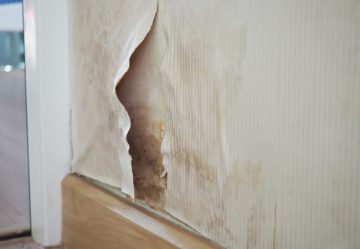
Fungus eats through whatever it touches, peeling up your wallpaper, causing the paint to flake, and turning wooden frames spongy. It’ll even damage plaster until bits start dropping. And it doesn’t quit at what you can see. It moves deeper, getting into the timber and chewing through the joists that hold up your floors and the beams that keep your ceiling where it belongs.
Under UK law, landlords have a duty to make sure their properties aren’t harbouring serious fungal growth. If they turn a blind eye, tenants can take the issue to their local council, causing costly problems for the property owner.
Mould isn’t exactly subtle. It shows up on your walls, creeps into the air, or makes you feel worse. On bad days, it does all three. The indicators include the following:

Finding mould in your home is unpleasant and potentially expensive. The good news is that testing for it isn’t rocket science, though it does require a bit of detective work.
You’ll need a basic kit: a working flashlight, a magnifying glass, and your phone for taking photos.
So, where to check for mould in your home? Start with the usual suspects. Bathrooms win first prize. They’re essentially saunas generating steam multiple times daily. Kitchens come next, especially the space under sinks and the area behind your fridge.
Basements and attics also need proper investigation. They’re moisture magnets, particularly if the airflow is limited.
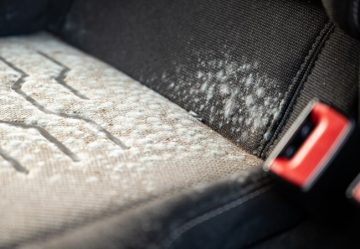
Look for signs that shouldn’t be there. Black streaks spreading through grout lines or fuzzy green patches on windowsills are definitely red flags. The same goes for white powder that’s appeared from nowhere. Watch out for unexplained orange staining as well.
Keep in mind that mould will not always be sitting in plain sight. It can grow behind walls and underneath flooring, usually announcing itself through strange discolouration or that musty odour that hits you immediately.
The big question now is how to test for dampness in your home. Enter the moisture meter.
This device uses two metal pins to measure the water content as a percentage. Anything registering above 20% means you’ve created a five-star resort for mould spores.
These readings help your mould detection efforts tremendously. You can find the colonies before they’ve properly established themselves.

Home mould testing kits are quite practical. Surface kits let you swab suspicious patches directly, while air testing versions just capture spores floating through your rooms.
Most DIY options use petri dishes or adhesive pads to collect samples from fabrics and other surfaces, and then you can send everything off to a lab for analysis.
Here’s how to use a mould test kit:
That said, are these home mould test kits accurate? They’ll confirm whether fungus exists, but don’t expect crime scene levels of precision.
The advantages are obvious. They’re reasonably priced, and you can grab one today. The downside is that they sometimes flag harmless spores as dangerous. And this naturally sends people into unnecessary panic mode.
They’re also useless at finding hidden mould in your house. The growth lurking in wall cavities, behind plasterboard, or tucked into voids where moisture does its worst damage…Your kit won’t catch it.
If fungus has taken over half your house, everyone keeps getting sick, or your insurance needs proof before paying out, bring in an expert.
They use thermal imaging cameras to see airborne spores, find moisture behind walls, and test for specific species properly.
As for how much it costs to check for mould in the UK, inspections are priced between £150 and £400, depending on your property size and how complex the job is. Of course, if you opt for a complete mould removal, this will add to the price.
Still, what you’re paying for is a detailed inspection of your home, reliable solutions that will guarantee the eradication of mould and also the application of a preventative film that will prevent the problem from reappearing.
Scrubbing surfaces will do nothing if the underlying issue remains. To reduce mould, you need to eliminate its source. Whether the problem is moisture, poor air circulation, or high humidity levels, cut off what’s feeding it.
Mould grows best where ventilation is lacking and moisture lingers longer than it should. The most common causes include leaks, condensation, and heating that’s not up to scratch, leaving spaces damp and chilly.

Small patches are easy enough to sort out on your own. Home remedies do the job when you’re dealing with something smaller than a dinner plate.
Put on gloves and a mask first to protect yourself. Combine white vinegar with water in equal parts if you’d rather skip harsh chemicals. Scrub thoroughly, let everything dry out completely, and air the room for several hours afterwards. Single spots are fine to manage yourself. Cleaning the same area monthly, though, means you’re missing the point. The real problem is likely sitting behind your walls where you can’t reach it.
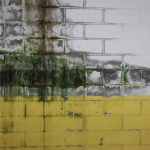
Massive infestations or mould that keeps reappearing despite your efforts mean it’s time for professional assistance.
Mould removal and remediation services actually get to the source of the problem. These specialists have industrial-grade equipment and know exactly where the mould hides. They’ve seen it all before.
They’ll also give you a proper action plan for keeping the mould away permanently. The service is definitely worth it when you’ve spent months battling the same problem over and over with no success.
Get expert mould removal today!









The only home improvement newsletter you will ever need!
We will never spam you. Pinky promise!
For more information, check out our privacy policy.