

Cleaning Guides
How to Stop Condensation on Windows 
Winter turns conservatories into cold, damp places with clammy walls and misty windows. If you’ve spent any amount in there during this season, you know exactly how it is.
This problem hits the UK homes hard. We get cold weather, lots of rain, and high humidity. Before you know it, there is mould in your conservatory corners or along window frames.
Do you wipe down the glass every morning, only to see water back by lunch? Or maybe black spots creep along the seals? The good news is once you understand how to stop condensation in conservatory spaces, you can control moisture and block mould.
But first…
Let’s start from the beginning. Why are humidity levels higher in winter?
Heating the conservatory warms the air inside. That air holds moisture from family members, pets and plants. The warm air then meets the cold glass of the roof and windows, cools down, and releases the moisture. You know this to be called condensation.
The more rapid temperature changes, the more moisture you have. In a conservatory, that’s a given since it’s mostly windows and windows don’t hold warmth too well. The problem is exacerbated further because doors and windows are mostly closed during the winter. That trapped damp air has nowhere to go, and wet areas eventually provide the ideal environment for the growth of mould.
The build of the conservatory matters too. Older designs with single-glazed windows or poor insulation lose heat fast. Cold surfaces attract moisture, and the weak seals make the problem worse.
So, what are the signs of excessive condensation?
The most obvious one is water. You’ll see water droplets on windows and glass, especially first thing in the morning or after a cold, wet night. Foggy or cloudy windows that take ages to clear are another giveaway.
Pay special attention to the moisture in the roof panels of the conservatory. Warm, humid air continues to strike cold surfaces, as seen by drips along the frame, wet streaks, or water droplets hanging on the interior of the roof.
Additionally, you may observe that certain surfaces never completely dry. Clammy furniture is a possibility. Patches of walls may appear darker. Constant dampness indicates excessive moisture levels, even if mould hasn’t appeared yet.
Condensation on its own isn’t mould, but it creates the perfect setup for it. When damp surfaces stay wet day after day, mould spores start to grow.
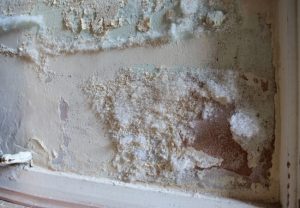
What are the initial indications of mould growth? It often begins quietly. Even after you’ve aired the room out, you can still notice a musty odour. Sealant, window frames, or walls may start to appear discoloured. Tiny patches of green or black may show up close to the roof panels, in corners, or along window margins. That’s usually the early stage of mould growth.
There is another problem too. Long-term exposure to mould and moisture can have negative health effects. Breathing can become painful. Mould spores can aggravate asthma symptoms, produce coughing or sneezing, and trigger allergies. In mouldy areas, headaches, fatigue, and itchy eyes are also frequent complaints.
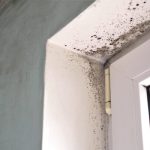
The first step is damage control. After that, you can look at longer-term fixes to keep condensation and damp from coming back.
What you should do if you find mould is to act on it straight away.
A mould-specific spray or a simple mix of white vinegar and baking soda is how you treat mould in the conservatory. Apply it to the affected area and leave it for a short time. Then scrub gently with a soft brush or cloth. Remember, you want to remove the mould, not grind it deeper into the surface.
Mind you, porous items are trickier. Soft furnishings, carpets, or fabric blinds that have mould growing through them often can’t be saved. If they still smell damp or show stains after cleaning, it’s best to dispose of them. It’s harsh, yes, but necessary.
Sadly, cleaning only solves half the problem. Mould will always return if there’s moisture. Check the conservatory roof for cracks and damaged seals. Also, look for gaps around windows and doors that let cold air and water in. You can fix small seal problems yourself with fresh silicone or sealant.
However, when you spot roof damage, structural leaks, or water that keeps coming back, call in a professional. A conservatory installer, roofer, or damp specialist will spot issues you would likely miss.
Let’s answer a few common questions before we move on.
Does black mould always mean water damage? Not always, but it does mean excess moisture is present somewhere.
Can you just spray vinegar on the mould and leave it? NO. Vinegar can kill surface mould, but it still needs to be wiped away. If you leave it there, it won’t stop regrowth.
Will mould go away if it dries out? Sadly, no. Drying slows it down, but spores stay behind and come back once moisture returns.
Maintaining a constant temperature is one of the easiest—though not the least expensive—methods to prevent condensation and mould growth in your conservatory. Avoiding changes in temperature is the aim because chilly surfaces enable moisture to settle.
Use radiant heating solutions to keep the space warm and stable. They heat surfaces evenly without pumping extra moisture into the air. For example, an oil-filled electric radiator. It gives off steady heat without drying or dampening the space.
On the other hand, infrared panel heaters warm walls and objects directly instead of just the air. Underfloor heating is another good option. It gently warms the floor from below, which helps keep the whole conservatory at a more even temperature.
A few common questions pop up here:
In most cases, it is worth to put a dehumidifier in your conservatory. They remove litres of water from the air each day and you can literally see that water in their tank. You can also feel the difference when condensation, mould growth, and musty smells are significantly lowered.
While we’re on this topic, let’s discuss some natural dehumidifiers like silica gel, charcoal and activated carbon. Silica gel is useful in small areas like drawers, or corners, while charcoal can absorb odours and small amounts of moisture. Natural methods can support moisture control, but they can’t regulate humidity levels.
Another very effective thing you can do. Better insulation cuts heat loss and keeps condensation under control.
In that line of though, some people ask, “Does condensation on windows mean poor insulation?” Most of the time, yes. Single-pane windows lose heat fast. On the other hand, double or triple glazing keeps the inner pane warmer. Warm glass means less water on the surface and less chance for mould to develop.
If full glazing upgrades feel like a stretch, start inside. You can insulate a conservatory from inside with thermal curtains. They trap heat at night and block cold draughts from windows and doors. Close them after sunset and you will feel the difference.
Floors and walls matter too. Cold floors cool the air fast, which pushes moisture out. Add insulated floor panels or rugs with thermal backing. Wall insulation panels also help keep temperatures steady. Remember that fewer cold surfaces result in less condensation.
Moisture barriers also play a part. Fit them behind wall panels or flooring to stop damp sneaking through from outside.
Ventilation is actually more important than you think. Moist air needs a way out, right? Even in winter, you need to crack a window or door for a few minutes each day. Short bursts of fresh air work better than keeping everything sealed shut like a submarine.
Roof vents or wall vents help air move without losing too much heat. Exhaust fans also help, especially if the conservatory links to the kitchen or laundry area. Ventilation is the easiest way to push damp air out before it settles on glass and frames.

Start with regular conservatory checks. Look over the roof panels, window frames, and doors every few months. Even small gaps or tired seals can let water creep in.
Next, set up a regular conservatory cleaning routine, especially for windows, frames, and roof panels. Dirt traps moisture, and damp dirt is basically an open invitation for mould. Pay extra attention to corners, window sills, and frame edges, as these areas stay wet for longer and tend to grow mould first.
If you plan to redecorate, use mould-resistant paint or wall coverings. These coatings slow mould growth and make surfaces easier to wipe down. They do not replace good ventilation, but they add another layer of defence.
Plants can help too, if you choose the right ones. Peace lilies and English ivy absorb some excess moisture from the air. Just don’t overwater them, or they start working against you. One or two is helpful. Turning the conservatory into a jungle is not.
Finally, keep airflow and temperature steady all year. A well-maintained conservatory stays dry, warm, and is far more pleasant to use. A bit of regular care beats fighting mould later with sprays, scrubbing, and regret.
Professional conservatory cleaning is the solution!





The only home improvement newsletter you will ever need!
We will never spam you. Pinky promise!
For more information, check out our privacy policy.

