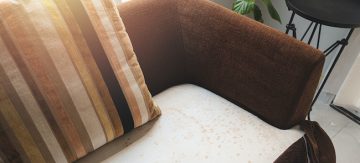
Most people assume summer is the easy season for their home. The windows are open, the place feels fresh, and everything seems a little more manageable. Carpets and upholstery? They’re probably fine. It’s not like there’s mud being tracked in or wet coats dripping everywhere. Summer feels harmless.
But the hidden impact of summer on carpets and upholstery is far more significant than most people realise. There are forces at work during those warm months that quietly wear down your fabrics, breed problems you can’t see, and leave lasting damage before autumn even arrives.
So before you assume your soft furnishings are having an easy time of it, let’s look at what’s actually going on.
TL;DR
UV sunlight causes fading and fibre degradation in carpets and upholstery, even through glass.
High summer humidity encourages mould and mildew growth deep inside carpet fibres.
Pollen and allergens peak in summer and embed into fabric, aggravating allergies and respiratory issues.
Heat combined with humidity weakens upholstery fibres, reducing their long-term durability.
Increased foot traffic from outdoor activities brings more dirt, grit, and moisture inside.
Using blinds, dehumidifiers, and regular cleaning routines can significantly reduce summer damage.
What Really Happens to Carpets and Upholstery in Summer?
Summer brings a specific combination of conditions that hit home textiles from multiple directions at once. UV radiation streams through windows. Humidity rises. Pollen counts spike. People spend more time outdoors, which means more dirt, grit, and debris gets walked straight back inside. Each of these factors causes its own kind of damage, and together they compound into something your carpets and upholstery really feel.
Here’s a quick breakdown of what’s actually happening across the season:
UV light penetrates windows and slowly bleaches the colour out of carpets and fabric, weakening the fibres as it goes.
Humidity creates moisture in the air that settles into carpet pile and upholstery padding, setting the scene for mould and mildew.
Pollen drifts in through open windows and doors, lodging itself deep in fabric where regular hoovering struggles to reach it.
Increased foot traffic from gardens, parks, and beaches brings in fine grit, which works its way down into carpet fibres and acts like sandpaper on the backing.
Heat accelerates the breakdown of adhesives and backing materials in carpets, shortening their lifespan.
None of this happens overnight. That’s what makes it so easy to miss. The damage is gradual, quiet, and often only obvious once it’s already done.
People tend to think of heat as a neutral force indoors. It dries things out, right? So what’s the problem? The issue is that heat on its own is rarely what you actually get during a British summer. What you get is heat paired with humidity, and that combination changes everything.
Warm air holds more moisture. As temperatures climb, the relative humidity in your home can rise significantly, especially in rooms with poor ventilation. That warm, moist environment is exactly what mould spores need to activate. Your carpet doesn’t need to be soaking wet for this to happen. Even moderate humidity, sustained over several weeks, is enough to encourage growth in the base layers of carpet pile where air doesn’t circulate.
Heat also accelerates chemical reactions, which sounds technical but just means things break down faster. The dyes in your carpet fibres become more reactive under heat, making them more susceptible to UV fading. Upholstery fabrics dry out and lose elasticity more quickly. The adhesives that hold carpet backing together soften and weaken. None of these things happen because of heat alone, but heat is what speeds all of them up.
So the idea that a warm summer is gentle on your home textiles? It doesn’t hold up.
How Does High Humidity Affect Carpets and Upholstery?
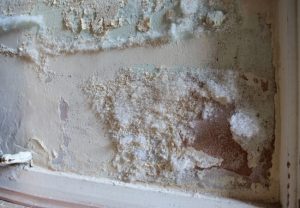
High humidity is one of the most damaging conditions for home textiles, and summer brings it reliably every year. When relative humidity stays above 60% for extended periods, carpets and upholstery become prime breeding grounds for mould and mildew, which can cause persistent odours, staining, and structural damage to fibres.
Mould doesn’t need a visible water source to get started. It just needs moisture in the air and a surface to cling to. Carpet pile is ideal because it’s dense, relatively dark at the base, and doesn’t dry out quickly. Once mould takes hold at the root of the fibres, it’s genuinely difficult to remove without professional treatment. You can clean the surface and still have active mould sitting in the carpet backing.
Upholstery is vulnerable in a slightly different way. The foam or wadding inside a cushion or sofa back acts like a sponge. It draws in humid air slowly, and because it’s enclosed, it doesn’t release that moisture easily. Over time, this leads to a musty smell that doesn’t go away no matter how many times you spray the fabric with something that smells nice. The source of the odour is deep inside, where surface sprays can’t reach.
If your carpets or soft furnishings develop a musty smell during summer, don’t just mask it. A musty odour is usually a sign that mould or mildew is already present. Address the humidity source first, then tackle the fabric.
Natural fibres like wool and cotton are particularly susceptible to humidity because they absorb moisture readily. Synthetic fibres fare a little better, but they’re not immune. The backing and adhesives used in most carpets are vulnerable regardless of what the pile is made from.
The Role of UV Sunlight in Fading and Fibre Degradation
UV exposure is one of the more insidious forms of summer damage because it’s completely invisible while it’s happening. You won’t notice your carpet fading on any given Tuesday afternoon. But over a summer of sunny days, the colour in the fibres nearest to your windows will gradually bleach out, while the rest of the carpet stays the same. By autumn, you might have a noticeably patchy floor.
UV radiation doesn’t just strip colour. It breaks down the molecular structure of fibres over time, making them brittle and prone to splitting or fraying. This applies to both carpet pile and upholstery fabric. A sofa that sits directly in front of a south-facing window can lose years of its useful life in a single season.
Glass doesn’t fully protect against this. Standard window glass blocks most UVB radiation but lets a significant portion of UVA through. UVA is the wavelength most responsible for fading and long-term fibre degradation. So even on days when the sun doesn’t feel particularly intense, that light streaming through the glass is still doing its work.
A few practical ways to reduce UV damage include:
Fitting UV-filtering window film, which blocks a high proportion of UV rays without significantly reducing natural light.
Using lined curtains or blinds during the hours when direct sunlight hits a particular window.
Rotating rugs periodically so any fading occurs evenly rather than in obvious strips or patches.
Moving furniture slightly across the season to vary which parts of the carpet are most exposed.
It’s a small amount of effort for a meaningful reduction in damage. And it’s a lot cheaper than replacing a sofa or recarpeting a room.
Do Summer Allergens Really Get Trapped in Carpets and Upholstery?
Yes, and in significant quantities. Pollen counts in the UK peak between May and August, and during this period, pollen particles enter the home through open windows, doors, and even on clothing and pet fur. Once inside, they settle into carpet fibres and upholstery fabric, where they’re disturbed and redistributed every time someone walks across the floor or sits on the sofa.
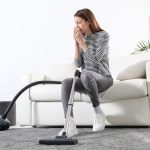
For anyone with hay fever or asthma, this is a real problem. The home is supposed to be a refuge during high pollen season. But if the carpets and upholstery are acting as pollen reservoirs, that refuge starts to feel more like the source of the problem. Sneezing, itchy eyes, and respiratory irritation indoors, especially in the morning or evening when windows have been closed for hours, is often a sign that allergens have built up in the fabrics.
It’s not just pollen either. Summer brings more outdoor activity, which means more dust, soil particles, and biological debris gets walked inside. Pet hair from dogs and cats who spend more time outdoors carries additional allergens. All of it ends up in your textiles.
Regular hoovering helps, but it doesn’t reach deep enough on its own. A high-quality vacuum with a HEPA filter will capture more fine particles than a standard model, but the fibres of a carpet or dense upholstery fabric can hold allergens well below what suction alone can reach. That’s where periodic deep cleaning makes a genuine difference, clearing out the accumulated material that routine maintenance leaves behind.
Effective Strategies for Protecting Home Textiles During Summer
The hidden impact of summer on carpets and upholstery is largely preventable, or at least significantly reducible, with a few consistent habits. You don’t need to seal the house or live without fresh air. You just need to be slightly more deliberate about how you manage the season.
Control Moisture and Humidity
A dehumidifier in rooms with carpets or upholstered furniture is one of the most effective tools you have during summer. Keeping relative humidity below 55% removes the conditions mould needs to get started. It also helps fabrics dry faster after any spills, which matters more in warm weather than people realise.
On days when outdoor humidity is lower than indoor humidity, open windows and let the air move. On hot, muggy days when the outside air feels thick, keep windows closed and run the dehumidifier instead. It sounds obvious, but many people just leave windows open regardless and wonder why things feel damp.
Manage Sunlight Exposure
You don’t need to live in darkness. Closing blinds or drawing curtains during the hours of peak direct sunlight, typically late morning to mid-afternoon depending on which way your windows face, can dramatically reduce UV exposure on carpets and upholstery. Sheer curtains let in light while filtering some of the intensity. UV window film is a low-effort, permanent solution that works around the clock.
Keep on Top of Cleaning
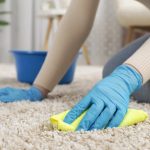
Hoover more frequently during summer, especially if you have pets or anyone in the household with allergies. Twice a week is a reasonable target during high pollen season. Pay attention to areas near windows and doors where pollen settles most heavily.
Treat spills quickly. Warm weather means bacteria and mould can establish in a damp spot much faster than in winter. A spill left for a few hours in summer heat can start causing problems that would take a day or two to develop in cooler months.
A carpet and rug cleaning service uses specialist equipment to extract deep-seated dirt, allergens, and moisture that regular vacuuming can’t reach, giving your home a thorough reset mid-season or before autumn sets in.
Take Shoes Off at the Door
Simple, effective, and often ignored. The grit, pollen, and soil carried in on shoes during summer is substantial. A firm no-shoes rule, with a mat at the door, keeps a significant proportion of outdoor material from ever reaching your carpets in the first place.
Put a good quality doormat both outside and inside each main entrance. The outside mat knocks off the bulk of debris. The inside mat catches what remains. Together they reduce indoor contamination significantly.
Want your carpets summer-ready?
Get a professional carpet clean booked today and protect your home textiles from summer damage.
Summer isn’t the harmless season for home textiles that most people assume it is. UV fading, mould from humidity, embedded pollen, and fibre breakdown from heat all add up quietly over those warm months. The damage is real, and it’s usually well underway before anyone notices it.
A little awareness goes a long way. Manage the moisture, limit direct sun exposure, stay on top of cleaning, and your carpets and upholstery will come through summer in far better shape. Proactive care isn’t complicated. It just means not assuming everything is fine because you can’t see a problem yet.