Most people think a clean kitchen means wiped worktops and an empty bin. It looks tidy, so it must be fine. But a quick wipe barely touches the real problem. The grime that matters hides behind the hob, inside the fridge door seal, underneath the appliances, and in the corners that only get attention when something starts to smell.
Kitchens are warm, damp, and constantly in contact with food. That combination makes them one of the most bacteria-prone rooms in any home. A proper deep clean changes that. This guide covers exactly what needs to be done, in what order, and how to tackle it without filling your kitchen with harsh chemicals.
TL;DR
A kitchen deep clean means thoroughly cleaning every surface, appliance, and storage area, not just the visible spots.
Degreasing surfaces and disinfecting sinks and worktops are the most critical tasks for preventing bacterial growth.
Vinegar and baking soda handle most kitchen cleaning jobs effectively without harsh chemicals.
Each major appliance needs a specific approach, from defrosting the freezer to scrubbing the oven with a paste.
A structured weekly, monthly, and quarterly schedule keeps the kitchen manageable between deep cleans.
If the job has grown beyond what’s realistic to tackle alone, a professional cleaning service is a practical option worth considering.
What Is Essential in a Kitchen Deep Clean?
A kitchen deep clean covers every surface, appliance, and storage area in proper detail, targeting the grease, bacteria, and hidden debris that regular cleaning leaves behind. The essential tasks are degreasing all surfaces, disinfecting worktops and sinks, cleaning inside cupboards and drawers, and deep cleaning every major appliance from the oven to the fridge. These aren’t optional extras. They’re the difference between a kitchen that looks clean and one that actually is.
Bacteria like salmonella and E. coli thrive in kitchens, particularly around sinks, chopping boards, and anywhere grease has built up. A surface that looks perfectly fine to the eye can still be harbouring something you absolutely don’t want near your food. That’s what makes the hidden areas the priority.
Degreasing all kitchen surfaces
Grease builds up slowly. A thin layer at a time, until the hob surround, the splashback, the inside of the extractor hood, and even the kitchen cabinets are coated in a sticky film that traps dust and bacteria. Degreasing means going after all of it. Don’t forget the light switches and door handles either — those get touched with greasy hands every single day and almost never get cleaned.
Disinfecting worktops and sinks
The kitchen sink is one of the most bacteria-laden spots in any home. Studies have consistently shown it carries more bacteria than the toilet seat. Raw meat juices, food debris, and standing water pass through it constantly. Disinfecting properly means scrubbing the basin, the overflow, the tap bases, and the drain. Worktops need the same attention, particularly around the edges where crumbs and moisture collect and sit undisturbed.
Cleaning and organising cupboards and drawers
Empty them out completely. Yes, all of them. Crumbs, spills, and forgotten debris collect at the back and bottom of cupboards over months. Wipe every shelf and drawer liner, check expiry dates while you’re at it, and let everything dry before you reload. It sounds tedious. But it’s one of those jobs that makes the whole kitchen feel genuinely different once it’s done.
Deep cleaning kitchen appliances
This is where most people flinch. The oven, the fridge, the microwave, the dishwasher, the hob. Each one accumulates its own specific type of grime and each needs a different approach. Skipping the appliances means you’ve only done half the job, and the half you skipped is usually the worst.
Need help deep clean the kitchen?
Book professional cleaning service and get every corner sorted in one visit.
Is Eco-Friendly Cleaning Actually Effective in the Kitchen?
Yes. Vinegar and baking soda handle the vast majority of kitchen cleaning tasks without the fumes, residues, or cost of chemical-heavy products. Switching to natural cleaning doesn’t mean accepting a worse result. It means choosing methods that work just as well without the trade-offs.
Natural cleaning using vinegar and baking soda
White vinegar cuts through grease, dissolves limescale, and disinfects surfaces without leaving harmful residues behind. Baking soda is mildly abrasive, which makes it ideal for scrubbing without scratching, and it neutralises odours at the same time. A paste of baking soda with a little water works brilliantly on oven interiors. Diluted vinegar in a spray bottle handles worktops, tiles, and the inside of the microwave. Between the two of them, they cover most of what a kitchen needs.
Don’t mix vinegar and baking soda together expecting extra cleaning power. The fizzing reaction neutralises both, so use them separately for the best results.
Sustainable tools that actually work
Single-use cleaning wipes are convenient, but they add up fast in terms of waste. Reusable microfibre cloths clean just as effectively, wash easily, and last for hundreds of uses. Wooden or bamboo-handled brushes with natural bristles work well for scrubbing and don’t shed microplastics into the water supply the way synthetic sponges do.
Why avoiding harsh chemicals makes sense in a kitchen
No chemical residues left on food preparation surfaces
Better air quality inside your home during and after cleaning
Safer for children and pets who spend time in the kitchen
Reduced environmental impact from wastewater
Less packaging waste from fewer single-use products
Strong chemical cleaners work fast. That’s why people reach for them. But the speed comes with fumes, skin irritation, and the risk of residues on the surfaces where you prepare food. Natural alternatives take a little more time and sometimes a bit more elbow grease. For a room where food gets made every day, that trade-off is absolutely worth making.
Tackle each appliance separately, using natural cleaners suited to the specific type of grime it collects. The oven needs an overnight baking soda paste, the fridge needs emptying and wiping down including the door seals, the dishwasher needs its filter cleared and a vinegar cycle run, and the extractor hood needs its grease filters soaked and wiped. Here’s how to do each one properly.
Fridge and freezer
Start by emptying everything out. Defrost the freezer if it needs it, which usually means leaving the door open with towels on the floor to catch the melt water. Once defrosted, wipe down every internal surface with a diluted vinegar solution. Pay close attention to the rubber door seals — mould loves those grooves and they’re easy to miss. Clean the drip tray if your fridge has one, and vacuum or brush the condenser coils at the back to keep it running efficiently.
To clean the oven, make a thick paste with baking soda and water, coat the interior surfaces avoiding the heating elements, and leave it overnight. The next day, wipe it all away and spray with white vinegar to lift any remaining residue. It’s slower than a chemical oven cleaner, but it works and it won’t leave you coughing in your own kitchen for the rest of the day.
The microwave is much simpler. Put a bowl of water with a splash of vinegar inside and run it on high for five minutes. The steam loosens every splatter, and you can wipe the whole interior clean in about two minutes.
Dishwasher
The dishwasher cleans your dishes, which makes it easy to assume it cleans itself. It doesn’t. The filter at the bottom collects food debris and needs to be removed and rinsed regularly. The door seals collect moisture and can develop mould if left alone. Run an empty cycle with a cup of white vinegar placed on the top rack, then follow it with a sprinkle of baking soda on the floor of the machine for a second short cycle. That combination deodorises and descales at the same time.
Hob and extractor hood
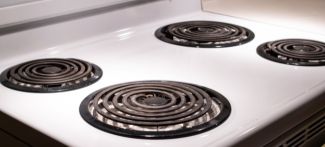
The hob is one of the grimiest spots in any kitchen and one of the most worth doing properly. For gas hobs, remove the burner caps and pan supports and soak them in hot soapy water while you clean the hob surface itself. For ceramic or induction hobs, a baking soda paste handles stubborn marks without scratching.
The extractor hood is often completely neglected. Remove the grease filters — they usually just clip out — and soak them in hot water with a little washing-up liquid. Wipe down the exterior and the inside of the hood with a degreasing vinegar spray. Twenty minutes of work, and the difference in air quality when you cook next is immediately noticeable.
If deep cleaning the extractor hood, the oven, and the rest of the kitchen feels like too much to take on in one go, a one-off deep cleaning service handles the full property top to bottom, inside every appliance and behind every corner.
A full kitchen deep clean — covering all appliances, cupboards, and hidden surfaces — should happen at least once every three to four months. Weekly and monthly maintenance tasks keep things from building up in between. A clear schedule is what stops the kitchen from reaching the point where deep cleaning feels like a full weekend project.
Frequency
Tasks
Weekly
Wipe worktops and hob, clean sink, wipe microwave interior, empty and wipe fridge shelves
Empty and clean all cupboards and drawers, defrost freezer, clean behind and beneath appliances, descale kettle and any other water-using appliances
Habits that keep the kitchen cleaner between deep cleans
The best way to make what is essential in a kitchen deep clean feel manageable is to reduce how much has built up by the time you get to it. A few consistent habits make a real difference:
Wipe the hob after every use while it’s still warm — grease lifts in seconds when it’s fresh
Deal with fridge spills straight away rather than leaving them to harden
Keep a spray bottle of diluted vinegar on the worktop for quick daily wipes
Rinse the dishwasher filter every couple of weeks — it takes under two minutes
Take five minutes each evening to wipe down the worktops and sink before bed
None of these take long on their own. Together, they stop the kitchen sliding back to square one. Prevention beats reactive cleaning every single time.
Need a professional kitchen deep clean?
Get an instant price and book your deep cleaning service today.
Grease, bacteria, and grime don’t announce themselves. They build up quietly in the places you don’t think to look until something forces you to. Getting what is essential in a kitchen deep clean right means going after all of it — not just the visible surfaces, but the seals, the filters, the hidden corners, and everything in between.
Keep natural cleaners to hand, stick to a schedule, and don’t let the appliances become a project you keep pushing back. A clean kitchen isn’t just about appearances. It’s about the space where you cook and eat every day, and it’s worth doing properly.