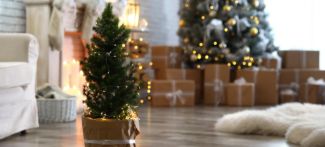
Decorating a Christmas tree is one of the best parts of the season. From selecting the right Christmas tree to hanging the final bauble, it genuinely feels magical. But here are some tips for decorating a Christmas tree that most people skip: where you place the lights, which ornaments go where, and how to keep the whole thing safe once it’s done.
Add to Preferred Sources
It’s easy to forget about safety when you’re caught up in the fun. A stove left on, a candle too close to a branch, lights with a frayed wire, accidents happen fast, whether your tree is real or artificial. The good news is that almost all of them are preventable.
This guide covers both: how to decorate your tree well, and how to make sure it stays safe throughout the season.
TL;DR
Keep a real Christmas tree at least one metre away from any heat source, including radiators and open fires.
Check all Christmas light sets for frayed wires or broken bulbs before hanging them on the tree.
Unplug Christmas tree lights before going to bed or leaving the house.
Shatterproof ornaments are safer for households with children or pets, and holly berries, mistletoe, and poinsettias are toxic to both.
Never burn a used Christmas tree in a fireplace. A burning tree can fill a room with fire in just a few minutes.
Most people start decorating in whatever order feels right and end up with lights tangled inside ornaments and a topper that leans. There’s a better way. Follow these steps in order and the result looks deliberate rather than thrown together. These are the tips for decorating a Christmas tree that actually make a difference to how it looks once you step back.
A step-by-step guide to decorating a Christmas tree, from securing it safely to placing the final ornament.
Place and secure the tree
Position the tree in a sturdy stand that is correctly sized for your trunk diameter. For real trees, fill the stand reservoir with water straight away, this adds base weight and keeps the tree fresh. Place it away from radiators, fireplaces, and any other heat sources before you start decorating. Moving it once the lights are on is a real nuisance.
Add the lights first
Start from the trunk and work your way outward along each branch, weaving the lights in and out as you go. This creates depth and makes the tree glow from inside rather than just on the surface. Use LED lights checked beforehand for any damaged wires or broken bulbs. Our guide on how to put lights on a Christmas tree walks through this in detail if you want the full method.
Hang ribbon or tinsel
Before any ornaments go on, drape ribbon or tinsel vertically from the top of the tree down to the base in loose, flowing swags. Working top to bottom gives you much more control than trying to weave it in around baubles you’ve already hung. Stand back and adjust the spacing before moving on.
Place larger ornaments first
Hang your heavier, larger baubles on the lower branches close to the trunk where the branches are sturdier. Push them inward slightly so they sit within the tree rather than hanging off the very tips. This balances the weight and stops branches from drooping over the season.
Fill in with smaller ornaments
Use lighter, smaller pieces on the tips of branches and throughout the upper sections of the tree. Mix colours and finishes to create visual texture. If you have children or pets in the house, keep any fragile or sentimental ornaments on the higher branches and use shatterproof ones lower down.
Add the tree topper last
Secure the topper firmly to the topmost branch before stepping back to assess the overall balance. If the top branch bends under the weight, the topper is too heavy for that tree. Once it’s on, look at the whole tree from a distance and shuffle any ornaments that look clustered or sparse.
For those opting for a real Christmas tree, select one that is fresh and resilient. Fresh trees have needles that are vibrant and difficult to pull off. That reduces the risk of drying out and becoming a fire hazard.
Remember to keep your tree watered and fresh, too. The drier it is, the bigger the fire threat it poses. When choosing a Christmas tree, pay attention to the needles. They will be green and hard to break if the tree has been cut down recently.
Do you know what is one of the biggest causes of house fires at Christmas? According to the Royal Society for the Prevention of Accidents, Christmas trees are among the leading causes of house fires in December. Keep yours hydrated, positioned well away from heat, and never leave the lights on overnight.
Artificial Christmas tree safety tips
Artificial trees are handy and less messy, but they can still be a fire risk if you’re not careful. When buying one, look for a “fire resistant” label, it means the tree is treated to slow down burning if something goes wrong. Consider buying resistant Christmas decorations too, while you’re at it.
If your tree has built-in lights, give the wires a quick check before you set it up. Bent or frayed wires can spark and cause trouble. Swap out any broken bulbs or damaged sections.
Keep your tree away from heaters, fireplaces, and candles. Even fire-resistant trees can catch fire if they get too hot.
And before you head to bed or go out, unplug the lights. It takes only a second and keeps your home much safer.
Electrical safety at Christmas
Let’s talk about Christmas lights safety. Inspect your Christmas tree lights for any loose connections, damaged plugs, and wires which can cause a fire. Improperly stored, old, and broken electrical decorations can be a fire hazard as well.
Always read the electrical safety guidance on the Christmas lights’ packaging and check if they are recommended for indoor use. LED Christmas lights run much cooler than traditional incandescent bulbs, making them a lower fire-risk option, and they use less energy too.
Regardless of what type of lights you go with, beware of outlet and extension cord overload. Christmas lights must always be safe for use, without any broken bulbs or exposed cables. Always turn them off before going to bed or when you intend to leave the house.
Christmas candles safety tips
Scented candles contribute to the holiday atmosphere perfectly. But an open flame near dried foliage, wrapping paper, or fabric is genuinely dangerous. Place any candles on a sturdy base, well away from surrounding objects and combustible materials.
Never leave a burning candle unattended or go to bed without blowing it out first. An alternative is to use battery-operated flame candles. They look the part and carry none of the risk. Never hang lit candles on a Christmas tree and ensure any real candles are in stable holders.
RoSPA notes that candles are a significant cause of house fires over the Christmas period. If you use them, never leave them burning in an empty room, and keep them clear of anything flammable.
Child and pet safety during Christmas
Choose shatterproof ornaments and non-toxic Christmas tree decorations to reduce the risk of injury. Opt for softer, child-friendly materials that won’t cause harm if handled by small hands or paws. Child and pet-proof your Christmas decorations.
Sometimes it doesn’t matter how high you hang the decorations, your kids will somehow find a way to reach them. We recommend using non-breakable ornaments throughout. Small or sharp decorations pose choking and injury hazards, especially for young children and pets. Opt for larger decorations and place small items out of reach.
The most highly poisonous festive plants that many people are unaware of are mistletoe and holly. While they are quite pretty to look at, the berries they produce are extremely toxic and eating enough of them can prove fatal. This is one of the reasons mistletoe is so hard to come by sometimes.
If you really insist on having holly or mistletoe in the house, be sure to snip off all of their berries as they appear. Even a small number of holly or mistletoe berries can cause serious toxic effects in both children and pets.
Overall, you should skip holly and mistletoe entirely if you have any children or pets in the house.
Don’t leave cooking for the last moment and give yourself enough time to prepare the perfect Christmas dinner. It can be challenging to balance meal preparation with all the Christmas excitement going on in the background. This can cause people to forget about food on the hob or in the oven. Fire accidents caused by forgotten food are very common at this time of the year, and kitchen fires peak on Christmas Day itself.
When the Christmas tree disposal time comes, many people wonder if it’s safe to burn their tree in the fireplace. Absolutely not. Since you have been watering the tree throughout the holidays to keep it as fresh as possible, it will not be dry enough to burn. And even if it is dry, just don’t. Burning sap from real trees can stick to the inside of the chimney and potentially result in a chimney fire.
On the other hand, if the Christmas tree is fully dry and seasoned, it’s not worth the risk. A burning Christmas tree is hard to control and will burn faster than you expect. Pine and fir trees also produce creosote (a flammable gas) when burning, causing build-ups on chimney walls.
Most households put up their Christmas tree in early December, typically from the first weekend of the month onwards. For real trees, the ideal timing is no more than four weeks before Christmas Day to minimise needle drop and keep the tree properly hydrated. Artificial trees can go up as early as you like without the same drying-out concern.
How do you stop a Christmas tree from falling over?
Use a sturdy, correctly-sized tree stand rated for the trunk diameter of your tree. Fill the stand reservoir with water for real trees, which adds helpful base weight. Keep the tree away from spots where it can be knocked by pets or children. For tall trees in busy households, securing the top of the tree lightly to a wall hook with clear fishing line is a discreet but effective safeguard.
Can you use outdoor Christmas lights indoors?
Yes, outdoor-rated lights are safe to use indoors. Indoor-rated lights must not be used outdoors. Outdoor lights are built to a higher weatherproofing standard and are generally safe in either setting. Always check the packaging label before use, and ensure the light set carries a recognised safety mark such as the BS EN 60598 standard.
Need a real Christmas tree delivered at your home or collected after the holidays?
A well-decorated Christmas tree and a safe one are not two different things. The same habits that make it look good, proper placement, lights checked before hanging, ornaments positioned by weight, are the same habits that prevent the most common accidents. Get those right from the start and you won’t need to think about them again.
Once it’s up, keep it watered throughout the season, unplug the lights every night, and give the wires a quick look if anything seems off. That’s genuinely all it takes. Enjoy it.
***
Did you find this post helpful? Share your thoughts in the comments below!