
Garden Advice
How to Lay a Shed Base With Paving Slabs 
Most people think shed installation is straightforward. You pick a size, order the kit, and it goes up over a weekend. Then the quotes arrive, and suddenly the numbers don’t match the mental image at all. Once you understand what genuinely drives shed installation cost the whole thing stops being a guessing game. This guide walks through every factor that affects the price, compares base options, weighs up DIY against professional installation, and covers exactly what happens from start to finish.
Shed installation costs don’t have a single fixed answer. There are several moving parts, and each one nudges the final figure up or down. Understanding them individually means you won’t be caught off guard when a quote lands in your inbox.
The material you pick has a big impact on both upfront cost and long-term value. There are three main options most UK homeowners consider:
| Material | Typical Cost Range | Durability | Maintenance |
| Timber | £300 – £3,000+ | High (with upkeep) | Annual treatment needed |
| Metal | £150 – £1,500 | Medium | Low, but prone to rust |
| Plastic | £400 – £2,500 | Medium-High | Very low |
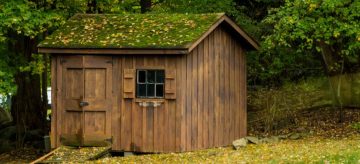
Timber is the classic choice. It looks great, takes paint or stain well, and a properly maintained wooden shed can last 20 years or more. The catch is annual treatment to hold off the damp that the British climate delivers so reliably. Metal sheds are the budget option for basic storage but rust without care, especially near the coast. Plastic sheds have improved enormously over the years and need very little upkeep, though they don’t always blend into a garden as naturally as timber does.
Larger sheds need more materials, take longer to assemble, and typically require a bigger, more expensive base. Labour costs rise in proportion. A small 6x4ft shed is a completely different project to a 12x10ft workshop or garden room. Think carefully about what you actually need. Buying the smallest thing that fits today often means wishing you’d gone bigger within a year.
Where your shed sits in the garden matters more than most people expect. A clear, flat route from the gate makes installation straightforward. Narrow side passages, uneven ground, or a sloped garden adds time and effort. Many installers charge a premium for difficult access, and it’s entirely fair given the extra work involved. Also, make sure to choose the right spot for safety reasons, somewhere it won’t be seen clearly, but you still have a good view of it from your house.
Demand for shed installation peaks in spring and early summer. Everyone wants their garden sorted by June, which means fitters are busy, lead times stretch, and prices can creep up. Book in autumn or winter and you’ll often get a better price and faster availability. The weather might not be ideal, but a good installer works around that.
The right base depends on your budget, soil type, and how long you want the shed to last. Concrete slabs offer the strongest, most durable foundation and suit larger or heavier sheds. Gravel is a cost-effective middle ground with good drainage. Timber frames work well for smaller sheds on reasonably flat, firm ground.
Getting the base right is one of the most important decisions in the whole project. A shed sitting on an uneven or poorly prepared surface will warp, let in damp, and deteriorate far faster than one on a solid, level foundation. Don’t cut corners here.
A concrete slab is the gold standard. It’s solid, level, and will last for decades. For a standard 8x6ft shed, a professionally poured slab typically costs between £500 and £1,000, depending on thickness and location. It takes a few days to cure properly before you build on it, so factor that into your timeline.
Gravel drains well, which is a real advantage in the UK’s wet climate. A gravel base for a medium-sized shed usually costs between £200 and £500, including edging to keep everything contained. It’s not quite as stable as concrete, but for most domestic sheds it does the job perfectly well.
A pressure-treated timber frame is the simplest and often cheapest base option, usually coming in at £100 to £300 for materials. It works best on firm, reasonably level ground. Untreated timber will rot, so spending a little more on quality treated wood upfront is worth it every time.
Always make sure your base extends a few centimetres beyond the shed’s footprint on each side. It protects the base plates from sitting directly on wet ground.
DIY installation can save you £200 to £500 or more in labour costs, making it a genuine option if you’re reasonably handy and have a free weekend. Professional installation costs more but removes the hassle, guarantees a correct result, and is often faster than most people expect. It’s a real trade-off. The right answer depends on your skill level, available time, and how complicated the job is.
Plenty of people successfully install their own sheds every year. If you’re comfortable with basic tools and following instructions, it’s absolutely doable. Just know that it takes longer than manufacturers suggest, especially if you’re working alone or dealing with an uneven surface.
A basic DIY shed installation checklist:
Pros of going DIY:
Cons of going DIY:
If your shed is large, your garden is tricky to access, or you simply don’t have the time or confidence for a DIY job, shed installation and repair from a professional team is usually worth every penny. They’ve done this dozens of times, know where things go wrong, and typically finish in a fraction of the time it takes most homeowners. Many will handle the base preparation too, keeping everything under one roof.
Knowing what to expect from start to finish makes the whole project feel less daunting. Whether you’re doing it yourself or watching a team do it, here’s the typical order of events.

People make the same errors over and over. Most are completely avoidable with a bit of forethought. Here’s what to watch out for:
If your property is in a conservation area or is a listed building, always check with your local council before installing a shed. The rules are stricter and the consequences of getting it wrong are serious.
Enter your details to get an accurate shed installation quote today.

Shed installation cost is hard to pin down without knowing your specific situation, but the factors that drive the price are consistent and predictable. Material choice, shed size, base type, location, and whether you go DIY or professional all play a role. Understand each one and you’re in control of the budget rather than at the mercy of it.




The only home improvement newsletter you will ever need!
We will never spam you. Pinky promise!
For more information, check out our privacy policy.