

Cleaning Guides
Can Carpet Cleaning Reduce Allergies? 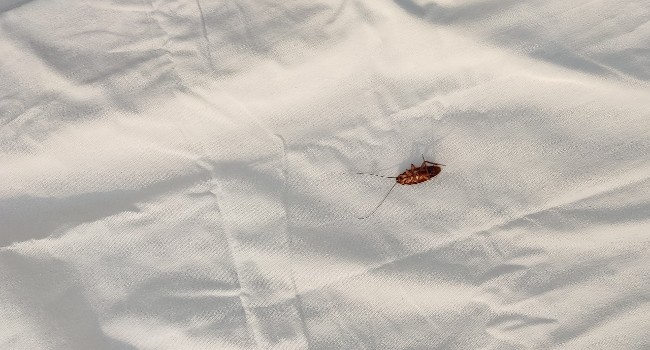
Cockroaches leave more than just that unpleasant “ugh” feeling. Tiny bits of their droppings, saliva, and even their shed skin float around in the air. You won’t spot them. You’ll breathe them in without thinking. That’s where the real problem can start.
Allergies in the UK are climbing fast. Nearly half of adults deal with them now. A cockroach allergy kicks in when your body reacts to those proteins they leave behind. It settles into dust. Hides in corners, soft furnishings, the places you don’t check often enough. Then it gets stirred up… every time you plop onto the sofa or shake out a blanket.
So, let’s break it down properly. What to look out for. Why does it happen? What actually helps. And how to stop your home from turning into a hotspot for something you definitely don’t want hanging around.
A cockroach allergy isn’t about the insect crawling on you. It’s about what it leaves behind.
Tiny proteins from their saliva, droppings (faeces), urine, even bits of their body as they shed. Sounds grim, because it is. Over time, all of that dries out, crumbles, turns into fine dust. It settles into carpets, sofas, bedding… then gets kicked back up into the air every time you move around. You breathe it in without a second thought.
That’s how a cockroach allergy starts. Quietly. Your body, for whatever reason, decides this stuff is dangerous. It overreacts. Releases chemicals like histamine. That’s when things kick off — sneezing, itchy eyes, blocked nose, skin flaring up for no obvious reason.
The tricky bit? Cockroaches are good at staying out of sight. They like it warm, dark, a bit damp. Under the sink. Behind the fridge. That cupboard you rarely open. You could have them in the house and never actually spot one. So when people ask, can you be allergic to cockroaches without seeing them? — Yes, easily. That’s usually how it happens.
One thing worth clearing up. A cockroach bite allergy isn’t really the issue here. Bites are rare, and when they do happen, it’s nothing major. The real problem is the invisible stuff floating around your home, not the insect itself.
Cockroach allergy symptoms are easy to ignore at first. Feels like a mild cold. Maybe hay fever. Nothing urgent. But then it keeps coming back — usually when you’re at home — and that’s when it starts to feel a bit off.
Most people notice the same pattern over time:
If you’re asking what the symptoms of cockroach allergy are, this is pretty much how it shows up in real life. Nothing dramatic. Just constant. Annoying. Hard to pin down.
This is where things get a bit tricky. A cockroach allergy can look almost identical to other indoor allergies, which is why it’s so often overlooked.
Same symptoms. Same reactions. So people tend to guess—and more often than not, they guess wrong.
It can feel just like a dust mite allergy. You’re sneezing, your nose is blocked, your eyes are itchy… and it goes on all year. No real break. Pet allergies are usually easier to figure out—there’s often a cat or dog right there in the room. Mould has its own telltale signs too: that damp smell, condensation on the windows, that slightly musty air you notice as soon as you walk in.
Cockroach allergens don’t give you those kinds of clues. They stay hidden. Mixing with dust, floating in the air, slowly building up over time. Especially in flats or older homes where things aren’t sealed up perfectly. That’s what makes it different. It’s linked to activity you don’t see. Not seasons. Not obvious triggers. Just constant exposure in the background.
Because of that, a lot of people end up guessing. They clean more, blame the dog, or get a dehumidifier. Sometimes it helps a little. Sometimes nothing changes.
If the symptoms just won’t go away, testing is really the only way to know for sure. Skin prick tests, blood tests—it’s all pretty straightforward and gives you clear answers. Especially important if breathing issues start creeping in or asthma gets worse.

Cockroach allergies are more common than people think. Especially in cities, where avoiding exposure isn’t always straightforward.
According to Allergy UK, around 44% of adults have at least one allergy. That’s nearly half the population. Indoor triggers — dust, mould, pests — are a big part of that, and they’re becoming harder to ignore.
Looking at global research, somewhere between 17% and 41% of people react to cockroach allergens. That’s a wide range, but it gives you an idea. The numbers tend to be higher in cities, blocks of flats, and anywhere people are packed a bit closer together.
Kids tend to be more sensitive. The same goes for anyone with asthma or existing breathing issues. In those cases, even low-level exposure can make symptoms noticeably worse.
A cockroach allergy doesn’t usually hit all at once. It builds up. Bit by bit, day after day, as those invisible particles hang around your home.
Most people don’t notice it happening. Until the symptoms start sticking.
The most obvious trigger is an infestation — even a small one. In the UK, the German cockroach is the usual culprit. Small, quick, good at hiding.
They stay out of sight. Behind the fridge. Inside cupboards. Along cracks you’d never think to check. You might not see a single one, but they’re still there, moving around at night, leaving behind tiny allergen particles as they go.
That stuff builds up quietly.
Cockroaches love damp, warm spaces. Kitchens, bathrooms, utility rooms — basically the spots you use every day.
If the air feels a bit heavy or steamy, that’s already a good sign things aren’t ventilating properly. Add in the UK’s slightly unpredictable weather, and moisture tends to hang around longer than it should.
Once those allergen particles are in the air, they don’t just disappear. They settle into carpets, sofas, bedding. Then get stirred up again every time you walk through the room or flop onto the couch.
Living in a flat? This is where it gets frustrating. Cockroaches don’t respect walls. They move through pipework, gaps, vents — whatever’s available. So even if your place is spotless, a neighbouring flat can still be the source.
That’s why some people end up with symptoms but swear they’ve never seen a cockroach. It happens more than you’d think.
Clean homes help, sure. But they’re not bulletproof. A few crumbs under the toaster. An unsealed cereal box. Pet food left out overnight. Even a bin that’s not emptied as often as it should be. That’s enough.
It doesn’t take much to attract cockroaches into your home. Once they settle in, allergen levels climb pretty quickly. And then the symptoms usually follow.
Dealing with a cockroach allergy comes down to two things. Cut down your exposure, then manage the symptoms properly.
Medication can help — antihistamines, inhalers, that sort of thing — but that’s a conversation for a GP. The real, long-term fix is sorting out your environment. If the allergens are still floating around your home, symptoms tend to stick around too.
Cleaning helps, but not the quick wipe-down kind.
Cockroach particles settle deep into dust, fabrics, corners you don’t think about. If you only clean what you can see, you’re missing most of it.
Cockroaches like it damp. So do the allergens they leave behind.
If the air in your home feels a bit heavy or you notice condensation sticking around, that’s already a sign. Opening windows helps. Extractor fans help more. In some homes, a dehumidifier makes a noticeable difference.
Bathrooms, kitchens, basements — these areas tend to hold onto moisture. Deal with that, and you make the space less inviting without even touching a spray.
Cockroaches don’t need much space to get in. A tiny gap is enough. Cracks in walls, gaps around pipes, loose window frames, doors that don’t quite seal properly — all easy access points. Block those up where you can. It won’t just help stop an infestation, it can also reduce allergens drifting in from neighbouring flats. Especially important if you’re in a shared building.
It doesn’t take much to attract cockroaches. A few crumbs. An open packet. Pet food left out overnight. Even a bin that’s not sealed properly. Keeping food in airtight containers, wiping surfaces properly, taking rubbish out regularly — it all adds up. Not complicated, just consistent.
If the problem isn’t going away, it’s time to stop guessing.
Professional pest control can find what you can’t. Hidden infestations, entry points, patterns of activity. Modern treatments aren’t about spraying everything in sight, either. It’s usually targeted — gel baits, monitoring, follow-ups.
Done properly, it doesn’t just remove the insects. It cuts down the allergen levels as well, which is the part people often forget.

There’s no neat timeline here. A cockroach allergy doesn’t just show up for a few days and disappear. It sticks around for as long as the allergens are in your space. Simple as that.
Even if the cockroaches are gone, the problem doesn’t vanish overnight. Their particles hang about in dust, carpets, bedding, and even in the air vents. You clean a bit, feel better for a day or two… then the symptoms creep back in. That’s usually why.
In some homes, it can take weeks to properly clear things out. Sometimes longer if the build-up’s been there a while.

Short answer — not really. You might get a break if exposure drops for a bit. Maybe you’ve been out of the house more. Maybe you cleaned thoroughly. Symptoms ease off. Feels like it’s sorted.
Then it comes back. The sensitivity doesn’t just disappear on its own. Your immune system still reacts the same way when those particles show up again.
Kids can sometimes grow out of certain allergies, but it’s not something you can rely on. It’s more of a “wait and see” situation, and most people don’t want to gamble on that.
If you want proper relief, you have to deal with the source. Get rid of the allergens. Keep them from building up again. Otherwise, you’re just managing symptoms while the cause sits in the background. And that usually means the problem keeps coming back.
Schedule your professional pest control service







The only home improvement newsletter you will ever need!
We will never spam you. Pinky promise!
For more information, check out our privacy policy.