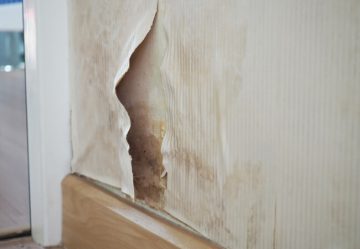
Mould in the kitchen is very common. In England, approximately 3.8% of homes, equating to around 912,000 households, experience some form of damp problem. This often leads to mould growth. Not only is it unsightly, but it can also be harmful to your health if left unchecked.
Add to Preferred Sources
In this post, you will learn some practical tips on how to spot, clean, and prevent mould in your kitchen.
TL;DR
Kitchens are high-risk for mould because they combine moisture, warmth, and poor airflow.
Black mould is the most dangerous type and should be dealt with immediately.
Mould can trigger allergies, respiratory problems, and skin irritation.
Prolonged exposure worsens asthma and can lead to chronic health problems.
Cleaning visible mould is not enough, you must fix the moisture source to stop it returning.
Where is mould most likely to appear in the kitchen?
Kitchens are prime locations for mould because they combine moisture, warmth, and plenty of nooks and crannies where it can grow unnoticed. Not all mould is the same, mind you. However, it’s all equally unwelcome. You can find different kinds of mould in different places in your kitchen. For example:
Black mould – Black mould in kitchens is a concern due to the toxins it releases, triggering allergies and health issues. It grows in damp areas. Look out for dark patches in cupboards with poor airflow and act fast to prevent spread;
White mould – While not as aggressive as black mould, white mould in kitchen cupboards can still be a nuisance. It tends to grow on porous surfaces like wood or fabric. It appears as a powdery or fuzzy white coating and usually means there’s been moisture buildup, possibly from spills or leaks. While it might not be as harmful as black mould, it can still worsen indoor air quality, especially for those with allergies or respiratory issues;
Green mould– Green mould grows on organic materials like wood and stored food. It appears in kitchen cupboards, on tiles, and behind cabinets where moisture seeps in. While less toxic than black mould, it can still cause problems. Deal with it quickly to prevent damage.
Mould in kitchen cupboards and behind kitchen units
Kitchen cupboards are one of the most common places mould takes hold, and one of the easiest to miss. They tick every box mould looks for: enclosed space, little to no airflow, and often positioned against an exterior wall where temperatures drop and condensation builds up on the inside face.
Mould behind kitchen units is particularly tricky. The gap between the back of a unit and the wall creates a dark, still pocket of air where moisture from cooking or a slow pipe drip can accumulate for months without anyone noticing. By the time you spot it, it’s often spread further than it looks.
The materials units are made from matter too. MDF and particleboard, which are used in most standard kitchen cabinets, absorb moisture readily. Surface mould on these materials is one thing. But if the board itself has started to swell, warp, or smell musty even after cleaning, the mould has penetrated deeper than a surface treatment can reach. At that point, the affected board usually needs replacing rather than cleaning.
To check behind units, look for discolouration on the wall visible from the side of a cabinet, feel for damp patches near skirting boards, and check whether the back panel of any unit feels soft or has bubbled. If you can pull a unit away from the wall safely, do it. What’s behind there is often the real story.
Yes. Kitchen mould can make you sick, and it does not need to be a large infestation to do it. The most common symptoms are sneezing, coughing, a blocked or runny nose, and itchy eyes. Direct contact with mould can cause skin irritation. If you have asthma, even a small amount of mould can trigger wheezing, breathlessness, or a full attack.
The risks increase when mould spreads or keeps coming back. Mould often hides behind kitchen units or in drywall behind cabinets, going unnoticed until symptoms worsen. If you wonder, “When should I worry about mould in my house?” the answer is right away. Act immediately when you see signs of mould, smell a persistent musty odour, or notice worsening symptoms of mould sickness at home.
Over time, prolonged exposure to mould damages your health, causes chronic respiratory diseases, persistent sinus infections, and a weakened immune system.
Take a closer look in your kitchen and you will notice the following things contributing to mould growth:
Sources of moisture – Mould in kitchens is caused by excess moisture from leaky pipes, dripping taps, and steam from cooking;
Kitchen cupboard materials – Kitchen cupboard materials matter. Wood, particleboard, and MDF are prone to moisture damage unless sealed. In places like under the sink or near appliances where leaks are common, these materials can quickly absorb water, leading to black mould in kitchen cupboards;
Poor ventilation – Without proper airflow, moisture gets trapped in your kitchen. Even more so in hidden spots like behind units or inside cupboards. If steam from cooking or washing dishes has nowhere to escape, humidity levels rise and the rest you can already guess. That’s why places like behind kitchen units and inside cupboards are often hotspots for mould;
Food storage practices – How you store food can also affect mould growth. Damp or spoiled food left in cupboards or pantries introduces moisture and organic matter that mould thrives on. Even small crumbs or spills can turn into breeding grounds for mould if left unchecked;
Spills and dampness – Ignoring spills, leaving wet sponges or damp cloths in cupboards, or storing items like cutting boards or pans while they’re still wet can all contribute to mould growth. These areas become more humid, which promotes fungal growth in places where it’s hard to spot.
How to find out where mould is coming from?
Search for mould in areas that get wet, like under sinks and around appliances. Check for leaks, water damage, and damp cupboards, especially those made of wood or MDF.
Hidden leaks behind cabinets or on walls can also cause mould, so look for signs of dampness or discolouration. Lastly, monitor humidity levels. Use a hygrometer to maintain levels between 30–50% or a dehumidifier which does it automatically.
How to clean the kitchen mould and stop it from spreading?
Dealing with mould in your kitchen doesn’t just mean cleaning it. It’s about stopping it from coming back. Follow these steps to tackle it properly.
How to clean kitchen mould safely and stop it from spreading.
Protect yourself before you start
Put on rubber gloves, a face mask, and eye protection before touching any mould. Mould spores become airborne when disturbed, so never scrub a mouldy surface without covering your face first. Open a window to ventilate the room.
Try a natural remedy for small patches
For minor mould problems, spray undiluted white vinegar directly onto the affected area and leave it for one hour. Alternatively, mix baking soda with water to form a paste, apply it to the mouldy surface, and scrub gently. These methods work well on surface mould on tiles, grout, and sealed surfaces.
Use a commercial mould remover for stubborn growth
When natural remedies aren’t shifting it, choose a commercial mould remover containing bleach or hydrogen peroxide. Follow the instructions on the label carefully, particularly the recommended dwell time before scrubbing.
Scrub, rinse, and dry thoroughly
After the treatment has done its work, scrub the mouldy surface firmly, then rinse it off completely. Dry the area as thoroughly as you can. Leaving any moisture behind gives mould the conditions it needs to return.
Fix the moisture source
Cleaning the visible mould is only half the job. Identify what caused the damp conditions in the first place, whether that’s a leaky pipe, poor ventilation, or condensation build-up, and deal with it. Without this step, the mould will come back.
Widespread mould in kitchen cupboards, walls, or ceilings is a clear sign you need to call professional mould removal experts for help. The same goes for recurring mould that keeps coming back despite your efforts. Professionals not only clean but also identify and address the root cause. Their thorough approach reduces the risk of future infestations and saves you the cycle of repeated DIY attempts.
Prevent mould in your kitchen by combining cleaning and moisture control. This is how to prevent mould in the kitchen:
Regular kitchen cleaning – Consistent cleaning is key to mould prevention. Target high-humidity areas like sinks, cupboards, and tiles. Wipe down surfaces after cooking or dishwashing. Regularly clean kitchen cupboards.
Controlling humidity levels – Humidity plays a significant role in mould growth. Will a dehumidifier help with mould? Yes, using a dehumidifier or air conditioner can effectively maintain indoor humidity between 30–50%. This discourages mould from forming in damp areas.
Improving ventilation – Proper airflow is crucial to reducing moisture in your kitchen. Install exhaust fans or ensure your current fan works effectively. Open windows while cooking to allow steam to escape. For extra ventilation, use trickle vents or leave cupboard doors slightly ajar in areas prone to dampness. Windows are worth paying particular attention to: condensation on kitchen window glass is one of the most common triggers for mould around window frames and sills. If you notice water droplets forming on the glass regularly, improve ventilation when cooking, keep the kitchen heated consistently, and wipe the frames dry when you spot them. Letting condensation sit unchecked is one of the quickest routes to black mould around windows.
Proper food storage techniques – Store food in airtight containers to reduce spoilage and prevent mould. Clean up crumbs and spills quickly.
Repainting with mould-resistant paint – Repainting can provide an extra layer of protection. Can you paint over mould? Not without treating it first! Remove mould completely before applying mould-resistant kitchen paint like those recommended in this guide on anti-mould paint. These paints contain fungicides that prevent mould from regrowing on painted surfaces, offering long-term protection.
Using heat effectively – Does heating prevent mould? Yes, heating helps reduce moisture in the air. Keep your kitchen at a consistent temperature, especially in colder months. This will prevent condensation. However, combine heating with ventilation to avoid trapping moisture.
Fixing leaks and dampness – Repair any leaks from pipes, appliances, or windows promptly. The most common culprits in kitchens are the joints under the sink and the connections behind or beneath the dishwasher, so check those first. Even small drips can create damp conditions that encourage mould growth. Regular maintenance ensures these issues don’t contribute to recurring mould.
Yes, mould will return if you only clean the surface without fixing the moisture source. Surface cleaning removes visible growth but leaves the underlying damp conditions intact. Without addressing the root cause, whether that is a leak, poor ventilation, or condensation, mould typically regrows within weeks. Fix the moisture problem first, then clean.
Does mould go away on its own?
No. Mould does not disappear on its own. As long as it has moisture, warmth, and an organic surface to feed on, it spreads. Leaving it untreated causes damage to your home and worsens your health over time. Clean it thoroughly and deal with the moisture source to stop it spreading further.
Is it safe to clean kitchen mould yourself?
Small patches of mould covering less than one square metre are generally safe to clean yourself, provided you wear rubber gloves, a face mask, and eye protection to avoid inhaling spores. Larger infestations, mould that keeps returning despite cleaning, or mould that has spread into walls or behind kitchen units should be handled by a professional mould remediation service.
Mould in the kitchen is common, but it is manageable. The key is to treat the moisture problem, not just the visible patch. Clean thoroughly, yes, but also find out why it appeared in the first place. Whether that means fixing a dripping pipe joint, improving kitchen ventilation, or checking what’s lurking behind your units, removing the cause is what keeps it gone.
If the mould keeps coming back or covers a large area, it is worth calling in the professionals. A professional mould removal service deals with the full picture, not just the surface, so you are not fighting the same battle every few months.