

Cleaning Guides
The Fantastic Spring Cleaning Checklist 
Most people focus on interiors when the spring cleaning season comes. After all, that’s where you spend the most time. However, the exterior matters just as much.
When the exterior is tidy, it gives your place a completely different and much better look. And just like that, curb appeal and home value rise. Would you judge a house by the front gate? Most people do.
Home exterior spring cleaning helps with more than just looks, though. Dirt, moss, and grime wear surfaces down and rain and wind cause damage over time. Small checks now, avoid big fixes later and cut repair costs in the long run.
Now that you know why spring cleaning outside the house is so very important, let’s look at how to do it:
Winters can be really rough on your house. They can leave its exterior with…
Now that you know what kind of damage your home can sustain in the winter, let’s talk about some safety precautions before you take on the spring cleaning.
Many outdoor tasks require you to climb. For example, when you need to clean gutters. Sometimes even a short climb can be risky if the ground is uneven or soft after rain. In that case, place the ladder on firm, level soil or paving. Never lean sideways to reach an area. Move the ladder instead. For tasks above one storey, don’t attempt DIY work at all.
Another thing to be aware of is wet surfaces. Long after rain, patios, walkways, and roof edges can remain wet, particularly if they are shaded. These surfaces become slick due to algae and moss. In this instance, move gently and pick up any loose particles to evaluate the surface.
The proper tools for exterior cleaning also matter a lot. For concrete and stone, use a stiff brush; for painted surfaces, cladding, and render, use a soft brush. Put on gloves to shield your hands from cleaning agents and rough surfaces. Wear shoes with a deep grip if possible. On damp surfaces, they aid in preventing slips. Use a ladder with a wide base and non-slip feet for elevated situations. Store your tools in a bucket or tool belt to prevent climbing while toting loose objects.

You can never know what goes on in your gutters, but the following signs give away when something is wrong:
Don’t ignore these signs. Water can overflow and damage walls, roof edges, and foundations. It can also rot fascia boards and create damp patches inside your home. If you decide to, you can clean the gutters yourself.
With all this talk of slippery surfaces, the inevitable question arises – when is it better to clean gutters in spring or fall?
Both spring and fall are good times to clean gutters, but spring is usually better. Leaves, moss, and twigs can sit in gutters all winter. When the rain comes, the overflowing water can cause damage. You actually prevent that when you clean in the spring.
Truthfully, the safest approach is to check and clean gutters twice a year – once in fall and once in spring. You probably weren’t hoping for this answer, but there you go.
Book professional gutter cleaning instead.


Constant rain and lack of sunlight can do a number on your driveways, decks and patio too.
As we’ve already established, when moisture persists for an extended period of time, moss and algae appear. The surface becomes sticky underfoot and begins to appear green. Get a strong brush and some warm, soapy water since it’s a steep slope to the hospital. Rinse with a hose after thoroughly cleaning the trouble regions. To ensure that everything dries off correctly, choose a dry day.
Another common issue is oil spots on the driveway. It is more difficult to remove old stains since they absorb quickly. If the marks are new, apply baking soda or cat litter right away and let it sit for a few hours until it absorbs the extra oil. Rinse after sweeping it up. For older stains, scrub vigorously with a stiff brush, use a degreaser or hot soapy water, and then thoroughly rinse.
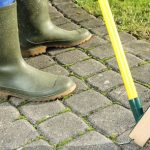
If you haven’t yet, take a closer look at your slabs next. Weeds pop up between slabs when dirt builds up in the joints. Once they take hold, they spread quickly. You can pull them out by hand or use a small trowel to get the roots. For stubborn weeds, pour boiling water or a vinegar mix into the gaps. After that, brush kiln-dried sand back in to slow them from coming back.
Take it one section at a time and rinse tools often. Don’t forget your shoes with a good grip. Along with these main areas, don’t forget steps and railings. They get dirty too and need some care.
Always let surfaces dry fully before using them.


Exterior walls and roofs take a real beating in the UK weather. Rain, wind, and pollution gradually leave them with plenty of dirt and grime. Over time, this build-up can hide damage like damp patches, cracks, or loose tiles.
Moss is especially common on UK roofs too. Our damp winters, frequent rain, and shady spots from trees or neighbouring buildings create perfect conditions for it to grow. If you leave moss untreated, it can lift roof tiles, trap water, and cause leaks or rot.
When you see green moss on roof tiles or black streaks or mould on walls, you need to clean your roof and walls. You might wonder, “What is the best thing to clean the outside of your house with?” in this line of reasoning. For most surfaces, a light detergent, warm water, and a soft brush work nicely. Use a specialised biocide or anti-moss solution for algae or moss.
And another thing before we continue, about pressure washing or soft washing siding for a better outcome. Soft washing is safer for most siding. Pressure washing can damage render, cladding, and brick
So now, how to clean exterior house walls? You should know that different wall surfaces need different cleaning methods:
Roof cleaning always requires extra caution. For smaller patches of moss, manual moss removal works well. Just use a roof brush or scraper to lift moss carefully from tiles. Move from the bottom up and avoid loose or cracked tiles. For more widespread growth, biocide treatments provide a safe chemical solution. Still, know that roof cleaning can be a risky job, so it’s always best to leave it to a trained professional.
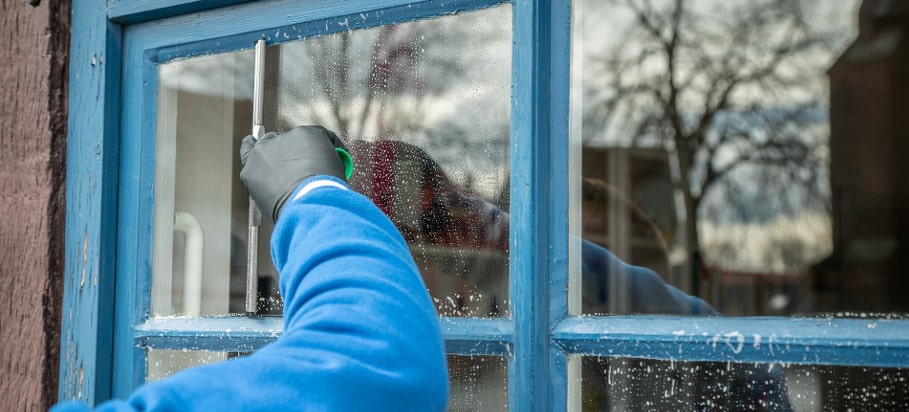
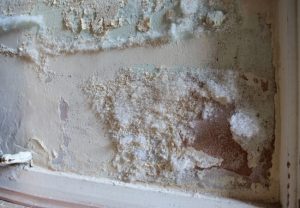
Windows don’t have it much easier than your walls. Winter leaves grime and dirt on the windows and uPVC frames. If it sits too long, it can cause staining, mildew, and even small cracks. Water trapped on sills or around frames can lead to rot or mould, especially in older homes.
With that said, focus on these areas:
Keep in mind that there are risks associated with cleaning conservatory roofs or high windows. One slip is all it takes to hurt yourself, and roof access and ladders can be hazardous. Proper cleaning of these places also requires time and effort, particularly if dirt, moss, or algae have accumulated over months.
Expert window cleaning can have a significant impact. To easily reach high or tricky windows, professionals employ equipment including squeegees, water-fed poles, and safe cleaning products. They can get rid of hard water marks, filth, and persistent dirt that regular house cleaning could overlook. They also provide conservatory roofs, sills, and frames a complete cleaning. This gives the whole window area a proper deep clean.
Rest and book a window cleaning service instead.

Spring is the best time to sort the garden. The weather is milder, plants wake up, and it’s easy to see all the dirt and mess from winter. Focus on these key areas:
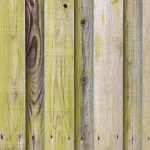
Spring cleaning outside often feels simple, but, as you can see, not every job is suited to be DIY.
Tasks suitable for DIY:
Jobs best left to professionals:
We are and we can help transform your home for a fresh start of the season!
A good rule of thumb is to give your home’s exterior a proper clean at least once a year. How often you go beyond that depends on where you live, the weather, and the type of property you have.
Homes in rainy or windy areas need more upkeep. Flats and terraced homes require basic care, focusing on walls, windows, and shared gutters. Semi-detached homes also need driveway and path maintenance, while detached homes require care for multiple surfaces, including roofs, patios, and fences.
Let’s get a bit more concrete about the seasonal maintenance calendar:








The only home improvement newsletter you will ever need!
We will never spam you. Pinky promise!
For more information, check out our privacy policy.


