

Cleaning Guides
Spring Cleaning Countdown: When is the Perfect Time to Start? 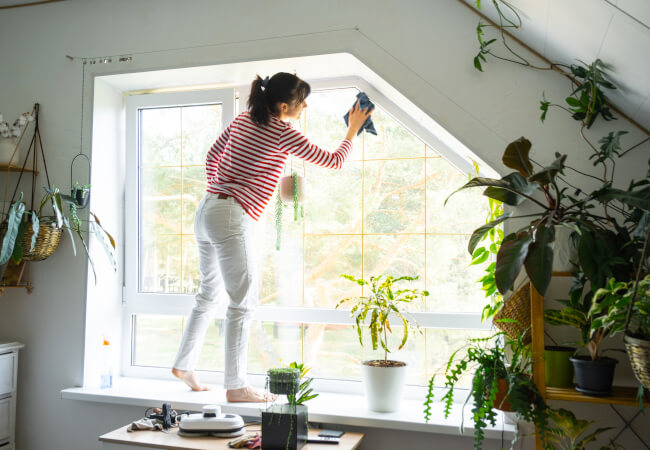
Spring cleaning brings a real sense of joy. Well… maybe not while you’re doing it, but certainly afterwards. Fresh air and clear space make your home feel new again. It lifts your mood and helps you reset.
However, to reach that blissful state, you often have to use ladders, sprays, sharp tools, and a lot of elbow grease. Small risks can turn into big problems if you rush or skip preparation.
This is where this blog post comes into play. Here you will find the spring cleaning safety tips you need for a painless experience.
A clear spring cleaning plan helps you spot risks early and hopefully saves time and stress.
Before you even pick up a cloth, take a slow look around with fresh eyes. Check high spots, low spots, and hidden corners. These areas often hide dust, cobwebs, and clutter. Because high shelves sit out of reach, you need a ladder to reach them. That can be risky if you don’t have anyone to support you.
Stairs are tricky, too. They can cause slips and falls, especially in older homes with worn steps or poor lighting. Many UK houses also have narrow staircases and low ceilings. It is easy to bump your head or lose balance in this situation.
In older homes, tight spaces and poor airflow add to the challenge. Narrow hallways make it hard to carry buckets or hoovers without bumping into walls. Steep or slim staircases leave little room to move, which raises the risk of slips. Low ceilings in lofts or under stairs can cause head knocks.
Watch for loose carpets, uneven floors and fragile fittings too. A shaky rail or weak shelf can fail without warning.
Once you know the risks, make a house cleaning checklist. Split tasks by room and keep it simple. For example: Kitchen – wipe cupboards, clean the oven, wash splashbacks; Bathroom – scrub tiles, clean the shower screen, disinfect surfaces.
Next, group tasks by risk level. Some jobs, like dusting low shelves, are easy. Others, such as cleaning high windows or moving furniture, need more care. Do not try to finish everything in one day. Fatigue makes accidents more likely. Instead, spread tasks across multiple days if needed.

Before you start your house cleaning, gather all your tools and supplies in one place. This saves time and prevents rushed trips up and down stairs.
And no spring cleaning is safe without protective gear. Dust, fumes, and strong cleaners can irritate your skin, eyes, or lungs and that’s no joke. You are most endangered during oven cleaning, mould removal, and work in the loft, garage, or cellar. These areas hold more dirt and have poor airflow, which increases risk.
Here are a few basic protective items you absolutely need for your spring clean-up safety.
Always read the instructions before use. Some products suit only one surface, while others require fresh air or gloves. Strong smells often mean strong chemicals, so never underestimate what the packaging says.
The most important safety tip, not just for spring cleaning, but in general, is to never mix products. Examples are bleach with ammonia or bleach with vinegar. Never mix those as they create toxic gas in seconds.
The fumes can harm your lungs, cause chest pain, and breathing trouble. In small rooms, the risk is even greater. One bad mix can easily send you to the hospital.
When not in use, store the products preferably in a cupboard with a lock. This will keep them out of reach of kids and pets. Never pour liquids into plain or old bottles, either. They might melt the plastic and cause more trouble.
If you want a safer option, try eco cleaners. Many shops sell gentle products that still do a good job. Simple home mixes also work for light dirt, such as vinegar and warm water used alone. These choices cut harsh fumes and feel kinder to your home and health.
Air flow is key during spring cleaning, especially in many UK homes. Older houses often trap dust, fumes, and strong smells. As we’ve already mentioned, without fresh air, even mild cleaners can irritate your eyes, nose, and lungs.
For your safety while spring cleaning, open windows and internal doors. This will create a clear path for air. If you have extractor fans in kitchens or bathrooms, switch them on. They help push fumes outside. Take regular breaks outdoors to breathe fresh air and reduce exposure to dust or chemicals. Even a few minutes make a difference.
Good ventilation also helps damp areas dry faster and reduces mould risks.
Slips and falls are one of the most common spring cleaning accidents. They often happen because the house feels busy and cluttered. Boxes sit in walkways, tools end up on the floor and rugs move out of place. When your space feels crowded, it is easier to miss a step or lose balance. Some areas are more risky for that reason, like…
The one house cleaning safety tip you should follow in this case is to clear pathways before you start. Clear all walkways of tools, boxes, or loose rugs. Move loose rugs out of the way or secure them so they do not slide. Keep cords, sprays, and cloths off the floor.
Believe it or not, back injuries are common during spring cleaning. They often happen when you rush, lift the wrong way, or try to do too much alone. Even light pain at first can turn into a long-term problem if you ignore it.
Your back does most of the hard work when you lift and carry, that’s why you need good technique. This means to always bend your knees, keep your back straight, and hold loads close to your body. Avoid twisting while holding weight. Twisting puts extra strain on your lower back and can cause sudden injury. If you need to turn, move your feet instead.
There is also something to be said about taking regular breaks. Fatigue increases the risk of injury because tired muscles lose strength and control. This makes poor posture more likely. That’s why you should work in short bursts and rest often. Stretch your back and shoulders between tasks. Even a few minutes helps muscles recover and keeps movement smooth.
Know when to get help too. Some jobs need two people. Heavy sofas, wardrobes, and white goods are far safer with a partner. Don’t risk solo lifts for large items.
Electricity and water do not mix, especially in kitchens, bathrooms, and basements, where moisture is common. Most accidents happen when water, damp hands, and live power meet at the same time.
With that said:
Get help from seasoned professional!

Spring cleaning isn’t just indoors. Gardens, patios, and driveways need care, too. So, what outdoor spring cleaning safety tips should you follow?







The only home improvement newsletter you will ever need!
We will never spam you. Pinky promise!
For more information, check out our privacy policy.