
Cleaning Guides
15 Cleaning Mistakes That Make Your Home Dirtier 
Most people assume the toilet is the filthiest thing in the house. It sounds right, doesn’t it? It’s the one place everyone side-eyes when it’s time to clean. But here’s the truth — it’s usually not even close.
The real dirt builds up in places you touch all the time or don’t think about at all. Your kitchen, for example, is often worse than your bathroom. Not because it looks dirty, but because it’s warm, damp, and constantly in use. Perfect conditions for bacteria to settle in and quietly multiply.
And that’s the problem. A lot of the dirtiest spots in your home don’t look dirty. They don’t smell. They don’t raise any alarms. So they get skipped, again and again, while the obvious areas get all the attention.
In this guide, we’re going to call those spots out properly. You’ll see where germs actually build up, why it happens, and — more importantly — whether you’re cleaning those areas the right way or just going through the motions.
Once you stop focusing only on the obvious spots, a pattern starts to show. The dirtiest areas are usually the ones you use all the time but rarely think to clean properly. They don’t look messy, so they slip under the radar.
Here are the main culprits:
None of these look particularly alarming at a glance. That’s exactly why they’re a problem. They blend into your routine, quietly collecting bacteria while attention stays elsewhere.
It’s not random. These spots don’t just happen to get dirty — they’ve got the perfect setup for it.
Start with moisture. Bacteria love it. Anywhere that stays even slightly damp for long periods becomes a comfortable place for germs to settle in and multiply. Think sponges, sink areas, washing machine seals. They never really dry out, so nothing ever properly resets.
Then there’s heat. Kitchens, in particular, are ideal. You’ve got warm air, steam from cooking, and constant activity. That combination speeds things up. Bacteria don’t just sit there — they grow faster.
The biggest factor, though, is touch. Hands move everything around. You handle raw food, touch a tap, open a cupboard, grab a kettle, pick up your phone — it all blends together. Even if you wash your hands, you’re often touching surfaces that haven’t been cleaned properly, so it doesn’t take much to re-contaminate things.
And this is where it gets a bit messy. Germs don’t stay in one place. They spread. From your hands to a surface, from that surface to something else, and eventually onto food, utensils, or anything else nearby. It’s a quiet chain reaction most people never notice.
The reason it feels under control is simple — you can’t see it. There’s no obvious warning sign. No smell, no visible dirt in many cases. So the cycle keeps going without interruption.
Once you understand that mix — moisture, heat, and constant contact — it becomes pretty clear why those “harmless” everyday items end up being the dirtiest spots in the house.

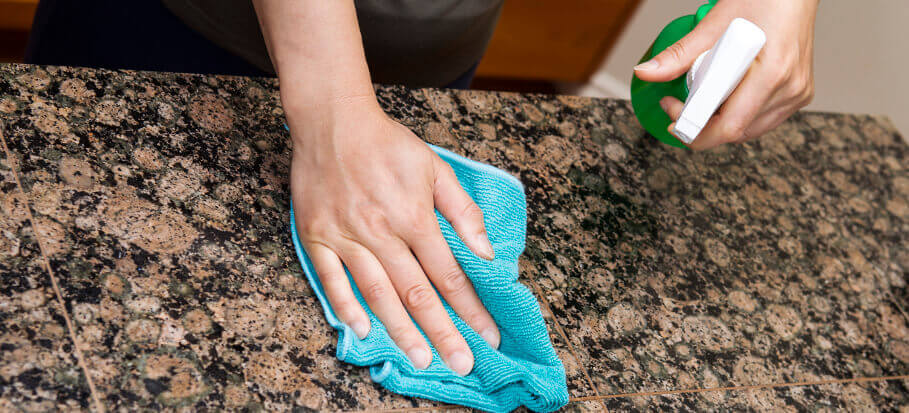
Most people clean what they can see. If it looks tidy, smells fine, and nothing’s obviously sticky, job done. But that’s surface-level cleaning — it doesn’t always deal with what’s actually sitting there.
There’s also a bit of confusion around what “clean” even means. Wiping something down might remove crumbs or marks, but it doesn’t necessarily kill bacteria. That’s the gap a lot of people miss. Cleaning and disinfecting aren’t the same thing, and skipping that second step is where problems creep in.
A few habits tend to make things worse without people realising:
None of this is about doing a deep clean every day. It’s more about doing the basics properly. A few small tweaks in how you clean can make a bigger difference than spending hours going over the same visible spots.
This is the bit where things usually go wrong. Not because people don’t clean — most do. It’s just rushed. Out of order. A quick spray, a fast wipe, job done… or so it feels.
Problem is, that kind of cleaning mostly just shifts dirt around. It looks better for a few hours, maybe a day. Underneath? Still there.
If you actually want things properly clean — not just “looks alright from a distance” — then how you do it matters.
Go straight in. No easing yourself into it.
Sponges, chopping boards, taps, handles — the stuff that gets hammered all day and never really dries out. That’s your starting point.
There’s a simple reason for this. If you clean everything else first, then come back to these… you’re basically undoing your own work. You touch something grim, then go back to a “clean” surface. Happens without thinking.
Starting with the worst bits keeps the mess contained. Stops that back-and-forth.
Also, let’s be honest — these are the bits people tend to rush or avoid. Getting them out of the way first just deals with it.
Not everything needs the strong stuff. But some things definitely do.
A general cleaner will get rid of grease, crumbs, that sort of thing. Fine. But it doesn’t always kill bacteria. That’s the part people miss.
Anything that’s touched a lot or comes near food? That needs proper disinfecting. Not just a wipe and hope for the best.
And here’s where it usually goes wrong — people spray, then wipe it off straight away. Too quick. Most products need a bit of time to actually do their job. If the label says leave it for a minute, it means it. Not optional.
It’s a bit like putting shampoo on your hair and rinsing it off instantly. Technically you’ve done it… but not really.
This one’s simple, but it gets skipped all the time.
If a surface is dirty, disinfectant won’t work properly. It can’t get through grease or grime to reach what’s underneath. So you end up thinking it’s clean when it’s not.
You’ve got to do it in two stages. First, clean — actually remove the dirt. Then go back in with disinfectant.
Yes, it takes a bit longer. But it’s the difference between properly cleaning something and just pushing muck around in circles.
This is where things quietly get out of hand.
Under the tap. Around the back of a chopping board. That slightly rubbery seal in the washing machine that no one wants to touch. The inside lip of a kettle lid.
They don’t look dirty. That’s the problem.
They stay damp, they stay warm, and no one bothers them. Perfect setup for bacteria to settle in and get comfortable.
Taking an extra minute to run a cloth over these spots while you’re already there makes a real difference. Skip them, and they just sit there building up… slowly getting worse.
Don’t overcomplicate it. That’s where people fall off.
You don’t need a colour-coded chart or a full weekend deep clean every time. Just something basic you can actually stick to.
Quick wipe-downs of the main touchpoints each day. Rinse things properly after you use them. Then once a week, go a bit deeper. That’s it.
The trick isn’t doing loads at once. It’s doing a little, regularly. Leave it all to pile up, and it turns into a bigger job than anyone wants to deal with — so it gets rushed or ignored.
Keep it simple, keep it steady. That’s what actually works.

This is where things usually slip. Most people clean based on when something looks dirty, not when it actually needs attention. The problem is, by the time you can see it, it’s already been building up for a while.
You don’t need a strict schedule pinned to the fridge, but having a rough idea helps keep things under control:
None of this is over the top. It’s just enough to stop things from quietly getting out of hand. Once you get into the habit, it takes a lot less effort than dealing with the buildup later.
Book our one-off deep cleaning service today!






The only home improvement newsletter you will ever need!
We will never spam you. Pinky promise!
For more information, check out our privacy policy.