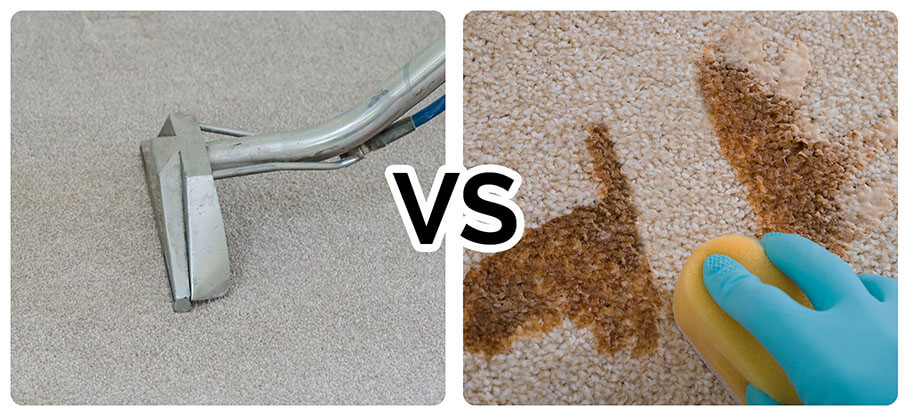
To clean dried cat urine from carpet, you need to re-wet the stain first before any cleaner can work. Once the area is damp, you have three methods to choose from: white vinegar and baking soda, hydrogen peroxide and baking soda, or an enzyme cleaner. Enzyme cleaners are the most effective because they break down uric acid crystals rather than just masking the smell. Cat pee on carpet is trickier than most stains, but it is completely removable if you tackle it properly.
Cats are known for their cleanliness, but urinary accidents happen, whether from a young kitten still learning or an older cat with a health issue. Cat wee on carpet is unpleasant and persistent. The smell does not fade on its own. This guide explains every step, from finding the stain to getting the odour out for good.
Add to Preferred Sources
TL;DR
Dried cat urine must be re-wetted before cleaning. Dry scrubbing alone will not remove the smell.
Enzyme cleaners are the most effective method because they break down uric acid crystals, not just mask the odour.
White vinegar and baking soda work for lighter or older stains but may need multiple applications.
A UV torch helps locate dried urine stains that are invisible to the naked eye.
Cats return to spots they can still smell, so full odour removal matters as much as stain removal.
How to find a urine stain
A UV torch is the most reliable way to find dried cat urine. Hold it close to the carpet surface in a darkened room and dried urine will glow yellow-green, making it easy to pinpoint exactly where to treat.
If you do not have a UV torch, start by smell. Cats tend to pee in corners and along the edges of a room, so check the perimeters of the carpet first. Look for any visible discolouration. If you cannot see anything, try crawling slowly and sniffing near the carpet surface. It is a little undignified, but it works.
How to Clean Dried Cat Urine From Carpet: 3 Methods That Work
Once a urine stain has dried, the uric acid has crystallised into the carpet fibres. This is why dried stains are harder to shift than fresh ones. The first thing any cleaning method needs to do is re-hydrate those crystals, which means saturating the area with your chosen solution before you can lift anything out. Do not rush this step.
White vinegar and baking soda
Vinegar and baking soda can be powerful tools when it comes to getting rid of urine stains and odours. Vinegar and baking soda can remove lighter or older urine stains and reduce odour, but they do not break down uric acid crystals the way enzyme cleaners do. For heavy or repeated soiling, follow this method with an enzyme cleaner for best results.
Mix equal amounts of white vinegar and water in a bucket or spray bottle. Use a bigger proportion of vinegar for older stains.
Saturate the area of the urine stain thoroughly with the solution. Let the mixture sit in place for 30 minutes.
Blot dry the stain with a paper towel or an old cloth.
Sprinkle a thin layer of baking soda and leave it until the affected area is completely dry. The baking soda will absorb any lingering odours and prevent mildew buildup.
Finally, vacuum up the baking soda from the floor.
How to use an enzyme cleaner to remove dried cat urine from carpet.
Locate and re-wet the stained area
Find the dried stain using a UV torch or by smell. Once located, dampen the area with a small amount of cold water. This re-hydrates the uric acid crystals so the enzyme cleaner can reach and break them down. Do not soak the carpet at this stage, just enough to moisten the fibres.
Apply the enzyme cleaner liberally
Remove the spray nozzle from the bottle and pour the enzyme cleaner directly over the stained area rather than spraying it. Pouring ensures the liquid penetrates deep into the carpet pile and reaches the full depth of the stain. Use enough to cover the area generously.
Allow dwell time
Leave the cleaner to work for at least 10 to 15 minutes, or follow the specific instructions on the product label. The enzymes need time to break down the uric acid compounds. Do not blot or disturb the area during this stage.
Blot up the liquid
Using a clean, dry towel, blot up as much of the liquid as possible. Press firmly and work from the outside of the stain inward to avoid spreading it. Do not scrub, as this can push the residue deeper into the fibres.
Allow to air-dry fully, then vacuum
Leave the treated area to air-dry completely before vacuuming. This may take several hours. Once fully dry, vacuum to restore the carpet pile. For stubborn or deeply set stains, repeat the full process a second time.
Enzyme cleaners are available from pet shops such as Pets at Home, as well as from supermarkets and online retailers. When shopping, look for products labelled “biological” or “enzymatic” and check that they specifically mention pet urine or uric acid on the packaging.
Cat urine smell persists because of uric acid crystals that form as the urine dries. These crystals bond tightly to carpet fibres and reactivate whenever the area gets damp, releasing the smell again. Standard detergents and air fresheners cannot break them down. Only enzyme cleaners can fully neutralise uric acid, which is why getting the pee smell out of carpet requires the right product, not just more scrubbing.
Dampen the affected area with cold water to reactivate any remaining uric acid crystals and make them accessible to treatment. This is especially important for older, dried stains.
Apply an enzymatic pet urine product directly to the area. Pour rather than spray to ensure the cleaner soaks deep into the carpet pile where the uric acid has settled. The enzymes will break down the acid and neutralise the bacteria causing the smell, rather than simply covering it up.
Cover the treated area with a damp towel and leave it overnight. This slows the drying process and gives the enzymes more time to work. In the morning, blot up any remaining moisture and allow the carpet to air-dry fully. If a faint urine smell from the carpet remains after one treatment, repeat the process, as heavily soiled areas may need two applications.
Remember: Cats are creatures of habit. They tend to urinate in the same spot. It’s important to eliminate the smell both for you and for your pet. If the kitten can still smell the stain, it will keep returning there.
Why is your cat not using its litter box?
There is always a reason behind a pet’s misbehaviour and you must understand what the problem is first. If your cat pees outside of its litter box, it could be caused by two things – a medical condition or behavioural issues.
If you notice that your cat is misbehaving, take it to your veterinarian immediately. There are some common urinary issues cats can have, such as urinary tract infection, bladder stones, metabolic disease, or idiopathic cystitis. If not treated on time, serious complications can occur.
When a medical problem is present, your vet will recommend treatment. Some cats are diagnosed with FLUTD (feline lower urinary tract disease) when a urinary issue is chronic, and a special urinary diet or supplements will be needed. Inappropriate urination can also be due to a non-urinary health problem, like discomfort elsewhere in the body.
Another cause of a cat’s naughty behaviour could be a change in the environment, stress and anxiety caused by loud noises or other animals in the house. The litter box can also be a reason for your cat to misbehave. It can be too dirty for the pet, too small and uncomfortable for usage, or placed at an inconvenient location. Remember, cats need a quiet and discreet place.
How to prevent a cat from peeing on the carpet
Cats are very fastidious about their toilet habits. Once you know what the true reason behind your cat’s behaviour is, it is easier to solve the problem. But remember to never punish your pet because it will make them more anxious and things can get worse.
Here are some things to keep in mind that can prevent your cat from peeing outside of its litter box:
Convenient location – Make sure the litter box is large enough and placed in a quiet but easily accessible spot. Once you have found a good place for your cat’s litter, don’t move it.
Clean litter box – The litter box should also be kept clean. If possible, clean it every day but don’t use strongly scented cleaners. Some veterinarians recommend one litter box per cat (in case you have more than one) and perhaps one extra.
Reduce stress – Loud noises can make a cat anxious, so try reducing them. If you are leaving for a holiday, put a piece of your clothing in your pet’s bed. The familiarity of your scent will keep them calm.
Need help with the unpleasant smell? Hire a cleaning expert!
Cleaning after your cat can be time-consuming and unpleasant. Old cat urine stains, in particular, can be a real challenge. If you want to save yourself the stress over your home maintenance, consider contacting a professional cleaning company.
Professional carpet cleaning uses hot water extraction and industrial-grade equipment to deep clean carpet fibres from the base up, lifting embedded residue that household methods cannot fully reach. Fantastic Services works with certified professionals who carry out a thorough clean and restore the condition of the carpet as a whole, not just the affected patch.
The carpet cleaning service also includes an antiviral sanitisation step as part of the standard process. All you need to do is let us know of your carpet trouble and we will send someone to your rescue!
Frequently Asked Questions
Does vinegar actually neutralise cat urine smell, or just mask it?
Vinegar temporarily neutralises the ammonia in cat urine as it dries, but it cannot break down uric acid crystals, which are the main source of the persistent smell. The smell may return when the area gets damp again. For lasting odour removal, follow the vinegar treatment with an enzyme cleaner that specifically targets uric acid.
How long does cat urine smell last in carpet if left untreated?
Dried cat urine can smell indefinitely if not properly treated, because uric acid crystals reactivate with humidity. In a damp climate, the smell can worsen over time rather than fading. The crystals bond tightly to carpet fibres, which is why standard detergents rarely remove the smell fully. Enzyme cleaners are needed to break down the crystals at the source.
Can I use a steam cleaner to remove cat urine from carpet?
Steam cleaners are not recommended for cat urine stains. The heat can permanently set the stain and bond uric acid proteins deeper into the carpet fibres, making the smell harder to remove afterwards. Clean with an enzyme cleaner first and allow the area to dry fully. Only consider heat-based cleaning once the uric acid has been completely broken down.
Having trouble removing a carpet stain?
Get your carpet professionally cleaned by Fantastic Services today!
Dried cat urine is trickier than a fresh stain because the uric acid has already crystallised into the carpet fibres. That is what makes the smell so persistent and why simply scrubbing at a dry patch will not solve it. Re-wetting the area first, then treating it with the right product, is what actually works. Enzyme cleaners are the most reliable fix for serious or repeated soiling, while vinegar and baking soda are a reasonable starting point for lighter cases.
If you have tried home methods a couple of times and the urine smell from the carpet is still there, it is worth calling in a professional. Some stains have soaked through to the carpet backing or the underlay beneath, and that is beyond what any household cleaner can reach.
Image source: Shutterstock / Africa Studio
***
Did you find our post helpful? What method do you use to clean your carpet from a urine stain? Please tell us in the comment section below!





 wpDiscuz