Cleaning Guides
Complete Guide to Understanding and Treating Green Mould 
Have you ever wondered why some stains are harder to remove than others? It’s due to their chemical makeup, you see. Protein, oil, tannin, and dye-based stains are all different. Some bond tightly to fibres, others spread quickly or resist water-based cleaning.
Time also plays a big role. Fresh stains lift more easily, whereas old stains set deep and hold tight. If it weren’t bad enough, material type also matters. Fabric, grout, and wood soak stains fast due to their open structure.
You already get the point. There is not one hardest stain to remove; there are, in fact, many. Here we will discuss 10 of the most common ones.
UK homes have significant levels of humidity. That combined with everyday cooking, pets, and social occasions, creates the perfect conditions for tough stains to form and settle.
Below is a quick comparison of some of the hardest stains to remove from clothes, carpets, and upholstery, along with why they’re so persistent and how to best deal with them.
| Type of stain | Difficulty | Usually found on | What makes it so hard to clean | Cleaning tips |
| Mould and mildew | Very high | Walls, ceilings, silicone seals, window frames | It’s a living fungal growth that spreads and returns if moisture stays | Fix the moisture source first, not just the visible stain |
| Pet stains | Very high | Carpets, sofas, rugs, mattresses | Soaks deep and leaves odour-causing bacteria behind | Use enzyme cleaners to break down organic matter |
| Red wine | High | Carpets, upholstery, clothing | Tannins and pigments bond quickly with fibres | Act fast and avoid scrubbing or heat |
| Blood | High | Bedding, mattresses, upholstery, clothing | Protein sets and binds when exposed to heat | Always use cold water, never hot |
| Grease and cooking oil | High | Hobs, ovens, extractor fans, clothes | Spreads easily and becomes sticky when heated | Use degreasers that break down oils, not dry wiping |
| Limescale | High | Bathrooms, taps, tiles, kettles | Mineral deposits bond tightly to surfaces | Use controlled acidic cleaners suitable for the material |
| Ink and dye | Very high | Carpets, upholstery, clothes | Designed to penetrate and stain fibres quickly | Blot carefully and avoid spreading with excess liquid |
| Rust | High | Sinks, toilets, paving, metal fixtures | Chemical reaction bonds to surface material | Use targeted rust removers, don’t over-scrub |
| Paint | High | Carpets, wood, clothing, skirting boards | Sets quickly and hardens as it dries | Treat immediately and match method to paint type |
| Coffee and tea | Medium-high | Carpets, mugs, mattresses, worktops | Tannins bind to porous materials and darken with heat | Wipe immediately and rinse quickly |
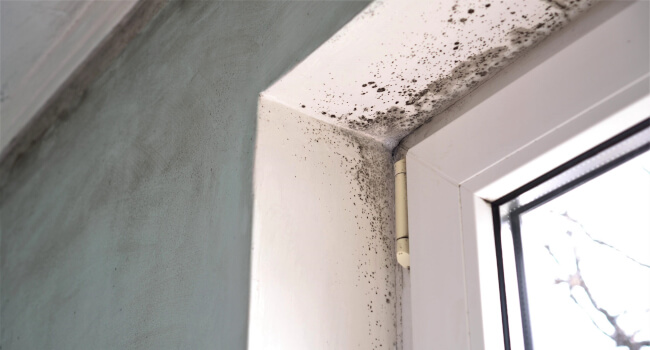
Mould and mildew are extremely common in UK homes. Damp conditions, poor airflow, and seasonal humidity do that, you know. And mould and mildew are like a sci-fi monster virus, which doesn’t just appear but actually spreads.
They are living fungal growths, not just surface marks and they spread if conditions stay favourable. They are often found on silicone seals in bathrooms and around window frames in poorly ventilated areas. Condensation collects there, and that’s what they’re after.
Besides, or maybe in addition to, its ghastly appearance, mould also carries health risks for people with asthma or respiratory issues. That’s why it’s not enough to just clean it. The underlying moisture problem has to be addressed, too, or the stain will keep coming back.
A common mistake many people make is that they scrub mould aggressively. This just spreads the spores further. Prevention is the best remedy for this situation.

Pet stains are some of the hardest to remove. If you own a kitty or a doggy, you know painfully well. But do you know why that is?
Mud, vomit, and urine don’t just remain on the surface. They deeply penetrate upholstery and carpet fibres. The odour frequently persists even after you’ve cleaned the stain. This is due to the fact that enzymes and bacteria remain trapped below the surface. Sadly, normal cleaning can’t reach this deep.
That’s why you will see enzyme-based cleaners as recommended for this task. They break down the organic matter and do not just cover up the smell.
A lot of people make it worse without realising, though. They over-wet the area, use heat, or scrub too hard. That can push the stain deeper and lock in the smell.

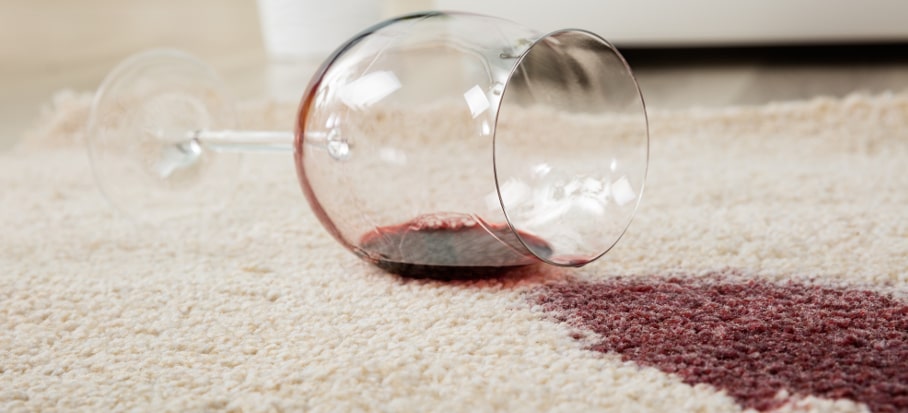
Red wine isn’t so romantic once it touches your sofa or carpet. It contains tannins and strong natural pigments that spread fast and bond quickly with fibres.
One of the biggest mistakes people make is to scrub the stain or use heat straight away. Both can actually drive the pigment deeper into the fabric.
While there are many products on the market, how quickly you act and how large the affected area is are of greater importance. For bigger carpet stains or widespread spills, professional cleaning is often the most reliable solution.

Small cuts, nosebleeds, or minor accidents happen all the time. Let’s face it, you’re bound to get some blood on mattresses, bedding, or clothing sooner or later.
So, why are blood stains hard to remove? They’re protein-based, and because of that, they behave very differently compared to oil or dye stains. They can become much harder to shift once they’ve set into the fabric.
Fabrics absorb blood quickly, but the bigger problem is that protein changes structure when exposed to heat. That’s why cold water is better for fresh blood stains. It helps lift the stain without “cooking” it into the material. Hot water, on the other hand, seals the blood inside the fabrics.

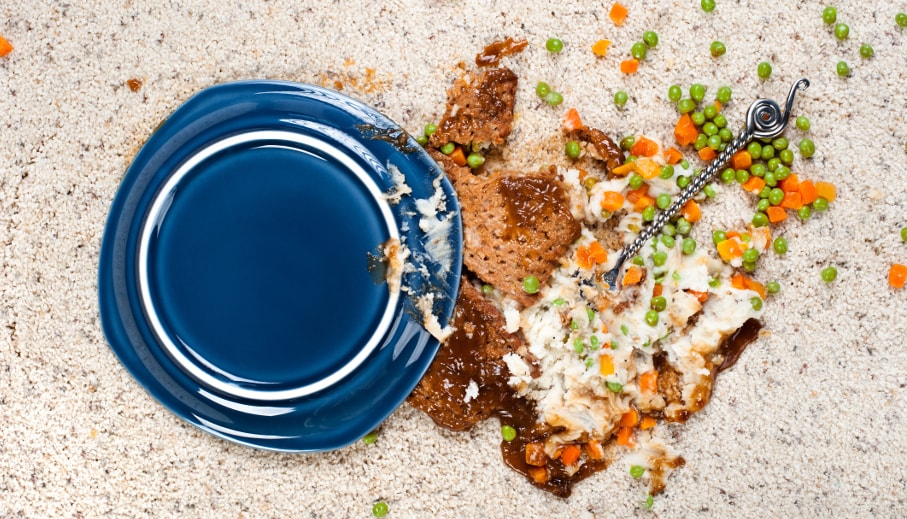
These are everywhere in a kitchen. From hobs and splashbacks to extractor fans, appliances, worktops, and even clothing. So, what makes oil stains so tough to remove?
Grease spreads quickly and clings to almost any surface it touches. As it cools, it thickens and sticks. This makes it harder to remove with simple wiping or water alone.
It’s good to know that fresh and baked-on grease differ significantly. With the correct cleanser, fresh grease can typically be lifted pretty easily. The reason is that it is still soft. In contrast, baked-on grease is sticky, solidified, and considerably more difficult to decompose. After all, it has been heated and cooled numerous times within ovens and around stove regions.
A few common mistakes make things worse. You spread grease when you wipe it with a dry cloth. You smear it when you use the wrong product. Heat also makes it worse because it helps grease stick more tightly to the surface. So, always aim for a good degreasing product.

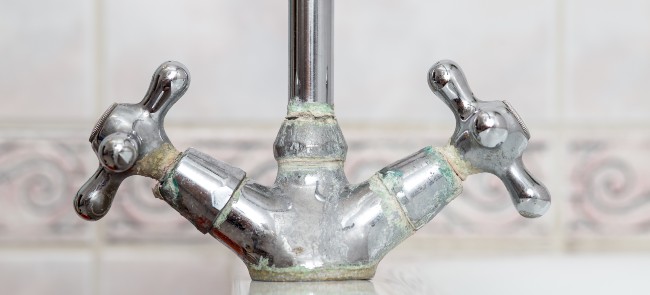
Limescale is a very common issue in the UK because we have hard water. Unlike typical stains, it’s caused by calcium and magnesium deposits left behind as water evaporates.
You’ll usually see it most in bathrooms and kitchens. Over time, it forms a chalky layer that becomes harder to remove the longer it’s left untreated. The difficulty with limescale is that it bonds directly to surfaces and standard cleaning products often aren’t strong enough to break it down. On the other hand, overly harsh cleaning methods can damage surfaces like glass, chrome, or ceramic finishes.
This is why choosing the right balance is important. Acidic solutions are good for removal, but they need to be applied carefully depending on the material to avoid corrosion or dulling.

Ink and dye stains are designed to stick, duh. You don’t want them on your clothing and upholstery, but children and pets don’t care about that. Once these stains spread, they can become very difficult to control.
The main issue is how fast dyes absorb into fibres. Once they settle, they often spread further if treated incorrectly. If you use excessive liquid, rub aggressively, or apply the wrong cleaning agent, it can make the stain larger or permanently set it.
On carpets and upholstery, spot treatment methods vary depending on the material, but the general rule is to avoid spreading the pigment.

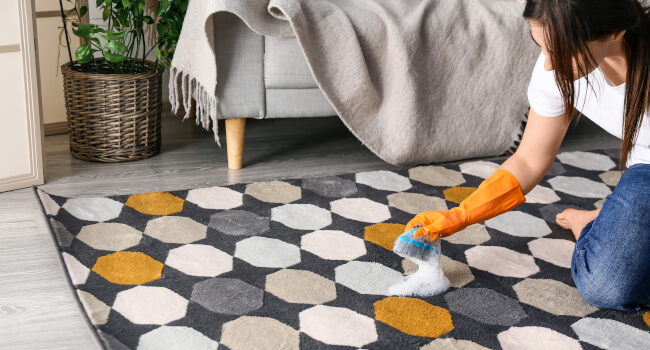
Rust stains show up when metal sits wet for too long. Give it time, you’ll get those orange-brown marks that look like they’ve soaked into everything. Once you notice them, you can’t unsee them.
Regular cleaners don’t do much here, sadly. Rust isn’t just sitting on top. It reacts with the surface. It settles in. That’s why it feels stubborn. You’ll need something that actually breaks that bond, usually an acidic remover. Be careful, though. Go heavy-handed and you can dull paint, damage enamel, even mark stone.
A lot of people grab a sponge and start scrubbing like mad. Doesn’t help. It just spreads the stain or scuffs the surface. Deal with the rust first. Then clean it off. Less effort, better result.


Paint stains usually happen mid-project. You’re halfway through a wall, music’s on, things are going well—then drip. Or a splash you don’t notice until it’s already drying. It happens.
The tricky bit is timing. Fresh paint is forgiving. You can lift it if you catch it early. Leave it to dry and it settles in, especially on fabric or wood. Then it’s a different job entirely.
Type matters too. Water-based paint is easier to deal with. Oil-based, however, is tougher. Furthermore, if you use the wrong approach you’ll either smear it everywhere or damage the surface underneath.
Big mistake here is wiping hard once it’s started to dry. That just pushes it deeper into the fibres. Instead, use a slower, lighter touch.


Coffee stains and tea marks are everywhere. One small spill can turn into a mark that won’t budge. It’s down to tannins. These natural compounds cling to surfaces like crazy.
Busy homes get them the most. Someone knocks a cup, says “I’ll clean it in a minute”… then forgets.
They stain fast. Hot drinks leave deeper marks than cold ones. That’s why that fresh tea spill looks so dark so quickly.
Once it’s set, it’s a fight. Not impossible but definitely harder than it should’ve been. Catch it early and it’s a quick fix. Leave it, you’ll be staring at it every morning with your next cup in hand.
Before we continue, let’s shed some light on two questions you likely have in your mind.
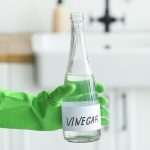
Does vinegar remove stubborn stains? Vinegar can help with some stains. Examples include limescale and light odours. However, it’s not a universal solution. It won’t work well on grease or deep-set stains.
How do professionals remove stains? Professionals use powerful equipment and special cleaning solutions to break down and extract stains. They always match the method to the stain type and material.
DIY stain removal works fine for small, fresh spills. However, it doesn’t always cut it if a stain has been sitting for a while or has soaked deep in. The real problem isn’t just what you clean it with. It’s how far the stain has already gone into the fabric and how that material reacts when you add water, heat, or friction.
Once a stain settles, it can bond tightly with fibres or surfaces. That’s when most people think it’s permanent. In reality, it usually needs a more targeted or stronger approach. Many people think you can’t get a stain out once it’s dried. That’s not entirely true. You still can in many cases, but it gets much harder. It often needs specialist cleaning methods or deep cleaning equipment to fully remove it.
Here are a few clear signs that a stain has gone beyond typical DIY cleaning:

Most stains are not truly “impossible” to remove, but some can become extremely difficult. It depends on what they are, how long they’ve been left, and what surface they’ve affected.
In many cases, what people describe as a permanent stain is actually a stain that has deeply bonded with fibres or caused long-term discolouration.
In that line of thought, let’s answer this question: is it possible to remove years-old stains? Older stains that have oxidised or repeatedly been exposed to heat, sunlight, or cleaning attempts can become much harder to lift. The original substance has undergone chemical change over time. Some can be fully removed with the right treatment, while others may leave behind slight discolouration even after cleaning.

Short answer? Yes. Most of the time, it’s a lot easier to stop a stain from settling in than to fight it later when it’s already made itself at home.
Start with a bit of protection. Carpet and upholstery protectors aren’t magic, but they do help. Think of them like a raincoat for your sofa. Spills don’t sink in straight away, which buys you time. And honestly, that time matters—especially if you’ve got kids running around or a dog that thinks the couch is a napkin.
Then there’s the obvious one people still ignore: always deal with spills straight away. Not later. Not “in five minutes.” Now. Even a quick blot with some kitchen roll is better than letting it sit there while you finish your coffee. The longer it lingers, the deeper it goes. Simple as that.
Regular cleaning helps more than people think. A quick vacuum here, a light wipe there—it stops dirt from building up in the first place. Leave it too long and everything starts to cling. That’s when stains get stubborn.
Air matters too. If a room feels damp or smells a bit off, that’s your warning sign. Open a window. Use an extractor fan. Get a dehumidifier if needed. Mould and mildew love still, heavy air—and once they show up, they’re a pain to deal with.
At the end of the day, it’s not about big deep cleans every now and then. It’s the small, regular stuff. Keep on top of it and most stains won’t even get the chance to settle in.
Trust the expertise of a Fantastic cleaner!





The only home improvement newsletter you will ever need!
We will never spam you. Pinky promise!
For more information, check out our privacy policy.